Best Backup Cameras 2027: Top 5 Picks Compared
The best backup camera for your vehicle depends less on flashy marketing and more on the basics: how you’ll install it (wired vs. wireless), where you’ll mount it, what screen you’ll use, and how much lag or interference you can tolerate.
In this SelectRanker roundup, we compare five popular approaches—plug-and-play kits, wired minimal-lag systems, magnetic wireless installs, solar-powered wireless, and a mirror dash cam combo—so you can pick the setup that fits your vehicle, your driveway, and your patience for installation.
If you want the deeper decision behind “wired vs wireless,” use: Wired Vs Wireless Backup Camera
Top 3 Backup Cameras
Compare the first three reviewed products at a glance.
Disclosure: As an Amazon Associate, SelectRanker may earn from qualifying purchases. We may also earn from other affiliate links. This does not change what we recommend or how we compare products.
#1

HD 1080P Backup Camera Plug & Play: Fast 60FPS Smooth Real-Time Clear View
Editor's Pick
Our top-three picks Rating
Best for
Most drivers who want a straightforward kit with a smooth, easy-to-use display
Key feature
Plug-and-play style kit focused on smooth real-time viewing
#2
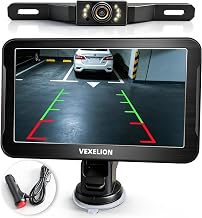
2K Backup Camera Kit, 7 Inch Monitor, Wired Zero-Lag, Night Vision
Strong Choice
Our top-three picks Rating
Best for
Wired installs where you want minimal lag and a larger monitor view
Key feature
Wired “zero-lag” style setup with a 7-inch monitor format
#3

1080P HD Wireless Backup Camera – 1 Minute Magnetic Easy Install No Wiring
Featured Pick
Our top-three picks Rating
Best for
Quick installs when you want to avoid running wires through the vehicle
Key feature
Magnetic-style mount approach aimed at very fast setup
This page compares 5 product options, focused on real buying decisions:
- Use-case and fit, including vehicle type, mounting location, screen size preferences, and how often you’ll rely on the camera
- Performance and compatibility, including wired vs. wireless behavior, potential lag, monitor style, power needs, and installation requirements
- Ownership risk, including weather exposure, charging/solar upkeep where relevant, durability of mounts, replacement parts, warranty/support, and return friction
SelectRanker connects each comparison to the most relevant category hub, related product comparisons, and practical buying guides so you can check the wider context before ordering.
Best Backup Camera 2027: Top 5 Picks Compared
| Image | Product | Best for | Key feature | View on Amazon |
|---|---|---|---|---|
| HD 1080P Backup Camera Plug & Play: Fast 60FPS Smooth Real-Time Clear ViewHD 1080P Backup Camera Plug & Play: Fast 60FPS Smooth Real-Time Clear View | Most drivers who want a straightforward kit with a smooth, easy-to-use display | Plug-and-play style kit focused on smooth real-time viewing | View on Amazon |
| 2K Backup Camera Kit, 7 Inch Monitor, Wired Zero-Lag, Night Vision2K Backup Camera Kit, 7 Inch Monitor, Wired Zero-Lag, Night Vision | Wired installs where you want minimal lag and a larger monitor view | Wired “zero-lag” style setup with a 7-inch monitor format | View on Amazon |
| 1080P HD Wireless Backup Camera – 1 Minute Magnetic Easy Install No Wiring1080P HD Wireless Backup Camera – 1 Minute Magnetic Easy Install No Wiring | Quick installs when you want to avoid running wires through the vehicle | Magnetic-style mount approach aimed at very fast setup | View on Amazon |
 | AUTO-VOX Solar Wireless Backup Camera, 2 Minute DIY Install, 5" MonitorAUTO-VOX Solar Wireless Backup Camera, 2 Minute DIY Install, 5" Monitor | Wireless buyers who want solar charging to reduce battery/charging hassle | Solar-powered wireless concept with a compact 5-inch monitor | View on Amazon |
 | WOLFBOX G840S 12" 4K Mirror Dash Cam Backup Camera with 32GB Card and GPSWOLFBOX G840S 12" 4K Mirror Dash Cam Backup Camera with 32GB Card and GPS | Drivers who want a mirror display plus dash cam features in one device | Mirror dash cam + backup camera combo format (includes GPS and card) | View on Amazon |
1) HD 1080P Backup Camera Plug & Play: Fast 60FPS Smooth Real-Time Clear View — Most drivers who want a straightforward kit with a smooth, easy-to-use display
This is the best “start here” pick if you want a traditional backup camera kit that aims for a smooth, real-time view without overcomplicating the setup.
Best for: Most drivers who want a straightforward kit with a smooth, easy-to-use display
Key feature: Plug-and-play style kit focused on smooth real-time viewing
Watch for: Confirm how the monitor mounts, how the camera mounts (plate/bumper/adhesive), and what cable routing you’ll need. Also make sure the kit includes the length and connectors that match your vehicle.
🧐 Quick verdict: Best overall baseline for a typical “backup camera 2027” shopping decision—balanced approach, fewer surprises, and easy to compare against the wired and wireless alternatives.
| Pros ✅ | Cons ⚠️ |
|---|---|
| ✅ Solid all-around approach for everyday reversing and parking | ⚠️ Still requires installation planning (mounting + cable routing) |
| ✅ Good baseline pick for a backup camera comparison | ⚠️ Real-world results depend on placement and clean wiring |
| ✅ Sensible choice if you want a dedicated screen instead of relying on a head unit | ⚠️ Verify the monitor size/brightness and mount style fit your dash |
Why it’s a top pick: For most people, the best backup camera is the one that’s easy to live with every day. You want a clear view, predictable behavior, and an install that doesn’t force extra adapters or vehicle-specific workarounds.
Decision bullets
- Install check: map your cable route (camera to front) and confirm you’re comfortable removing trim panels as needed.
- Mounting check: confirm where you’ll mount the camera (license plate bracket vs. bumper) and whether your vehicle’s rear design blocks the view.
- Screen check: verify the monitor mount style and where it will sit so it won’t block sightlines or controls.
SelectRanker tip: In backup camera reviews, “bad quality” is often a placement problem. Before you buy, decide the camera height and angle you need so you can see the bumper edge and the area behind the vehicle.
2) 2K Backup Camera Kit, 7 Inch Monitor, Wired Zero-Lag, Night Vision — Wired installs where you want minimal lag and a larger monitor view
If your top priority is a more “direct” feel when reversing—especially for tight parking—going wired is often the simplest way to reduce wireless delay and dropouts.
Best for: Wired installs where you want minimal lag and a larger monitor view
Key feature: Wired “zero-lag” style setup with a 7-inch monitor format
Watch for: Plan the cable route end-to-end and confirm the included cable length is appropriate for your vehicle type (sedan vs. SUV/truck/trailer).
🧐 Quick verdict: Best wired upgrade when you want a bigger screen and the peace of mind that comes with a hardwired connection.
| Pros ✅ | Cons ⚠️ |
|---|---|
| ✅ Strong choice when you want minimal lag and stable signal | ⚠️ Running wires front-to-back takes time and patience |
| ✅ Larger monitor format can be easier to read quickly | ⚠️ Install quality matters (pinched cables and weak grounds cause issues) |
| ✅ Good fit for frequent drivers and daily parking in tight spaces | ⚠️ Verify mounting options for both camera and monitor before ordering |
Why it’s a top pick: Wired systems are often the smarter choice when you care about consistency more than “fast install.” When you’re comparing a top backup camera for daily use, stable signal and predictable behavior usually beat convenience.
Decision bullets
- Vehicle check: larger vehicles typically need longer cable runs—confirm what’s included before you start.
- Monitor placement check: decide whether you want a dash mount, windshield mount, or another placement that won’t block visibility.
- Power check: confirm how the system powers the monitor and camera (and whether you’ll tap reverse light power or use another method).
SelectRanker tip: If you’re torn between wired and wireless, decide based on your tolerance for running a cable. Once you do the cable work, a wired setup can be closer to “set it and forget it.”
3) 1080P HD Wireless Backup Camera – 1 Minute Magnetic Easy Install No Wiring — Quick installs when you want to avoid running wires through the vehicle
This pick is about speed and simplicity: a wireless approach designed to get you a usable rear view without pulling interior panels or routing long cables.
Best for: Quick installs when you want to avoid running wires through the vehicle
Key feature: Magnetic-style mount approach aimed at very fast setup
Watch for: Wireless reliability depends on your vehicle, mounting position, and interference. Before ordering, confirm how it’s powered/charged and how the monitor mounts up front.
🧐 Quick verdict: Best for a true “no-wiring” mindset—ideal when you want a quick improvement in visibility without committing to a full wired install.
| Pros ✅ | Cons ⚠️ |
|---|---|
| ✅ Fast installation path compared with most wired kits | ⚠️ Wireless connections can vary by vehicle and environment |
| ✅ Good fit for renters, leased vehicles, or anyone avoiding permanent wiring | ⚠️ You’ll still need a plan for powering/charging components |
| ✅ Convenient if you want to reposition or remove the camera | ⚠️ Mount security and weather exposure should be checked carefully |
Why it’s a top pick: For many shoppers reading backup camera reviews, the real obstacle isn’t price—it’s installation. With a quick-install wireless option, you can get a rear view you’ll actually use without committing to a full wiring job.
Decision bullets
- Mounting check: confirm the camera can mount securely on your vehicle’s rear surface and won’t interfere with hatch/trunk operation.
- Power check: verify how often you’ll need to charge (or whether it can be powered continuously) and where the receiver/monitor gets power.
- Signal check: if you park in dense apartments/garages or drive in high-interference areas, wireless stability matters more—consider wired if you need maximum consistency.
SelectRanker tip: If your goal is “quick visibility now,” wireless is often the right first step. For “reliable every day,” compare it directly against the wired pick in this backup camera comparison.
4) AUTO-VOX Solar Wireless Backup Camera, 2 Minute DIY Install, 5" Monitor — Wireless buyers who want solar charging to reduce battery/charging hassle
This option is for buyers who like the idea of wireless, but don’t want “wireless” to mean constant charging reminders. Solar can reduce that friction if your vehicle gets enough light.
Best for: Wireless buyers who want solar charging to reduce battery/charging hassle
Key feature: Solar-powered wireless concept with a compact 5-inch monitor
Watch for: Solar effectiveness depends on where you park (garage vs. outdoors), how the panel is oriented, and whether dirt/snow blocks charging. Match the setup to your parking reality.
🧐 Quick verdict: Best solar wireless option when you want an easier ownership routine than typical rechargeable wireless cameras.
| Pros ✅ | Cons ⚠️ |
|---|---|
| ✅ Helps reduce charging hassle compared with many wireless-only setups | ⚠️ Solar benefit drops if you park indoors or in heavy shade |
| ✅ DIY-friendly direction for buyers avoiding long cable runs | ⚠️ Still needs secure mounting and weather exposure planning |
| ✅ Compact monitor format can fit smaller dashboards | ⚠️ Smaller screens can be harder to read quickly than larger displays |
Why it’s a top pick: Wireless convenience is great until you have to babysit batteries. With a solar-assisted design, you may get a more practical middle ground for a “backup camera 2027” upgrade—especially if your vehicle sits outdoors most days.
Decision bullets
- Parking check: if you garage your vehicle most of the time, solar may not deliver the ownership benefit you’re paying for.
- Monitor check: confirm the 5-inch class screen is large enough for your eyesight and typical backing scenarios.
- Weather check: consider rain, snow, road salt, and car washes—verify mounting strength and whether the camera position stays clean enough for a clear image.
SelectRanker tip: Solar is an ownership feature, not a performance feature. Pick it when it reduces day-to-day hassle more than it adds cost or install complexity.
5) WOLFBOX G840S 12" 4K Mirror Dash Cam Backup Camera with 32GB Card and GPS — Drivers who want a mirror display plus dash cam features in one device
If you want your backup camera screen integrated into a mirror-style display—and you like the idea of dash cam features in the same unit—this combo format can simplify the cockpit.
Best for: Drivers who want a mirror display plus dash cam features in one device
Key feature: Mirror dash cam + backup camera combo format (includes GPS and card)
Watch for: Mirror-style units change how you use your mirror and may require careful cable routing for a clean install. Before you buy, confirm fit on your existing mirror and how it mounts.
🧐 Quick verdict: Best mirror dash cam + backup camera combo when you want an all-in-one display approach instead of adding a separate monitor to the dash.
| Pros ✅ | Cons ⚠️ |
|---|---|
| ✅ Combines backup camera viewing with a mirror-style display | ⚠️ Installation can be more involved than a simple standalone monitor |
| ✅ Can reduce dashboard clutter vs. separate screens | ⚠️ Fit and mounting on your existing mirror must be verified |
| ✅ Good option if you want a multi-purpose driving camera setup | ⚠️ Make sure the interface and screen brightness work for your daytime/nighttime driving |
Why it’s a top pick: Some buyers don’t want another monitor stuck to the dash. With a mirror display, the screen can feel more integrated, and a combo unit can make sense if you actually want dash cam functionality alongside backup camera use.
Decision bullets
- Fit check: confirm the mirror unit fits securely over your existing rearview mirror without blocking sensors/buttons (if applicable).
- Workflow check: decide whether you prefer a dedicated backup monitor that only turns on in reverse, or a mirror display you’ll interact with more often.
- Install check: plan cable routing and power—mirror installs can look great when tidy and feel annoying when wires are exposed.
SelectRanker tip: Combo units are worth it when you want the combined workflow. If you only want a simple reverse view, a dedicated kit is often the cleaner, simpler solution.
How we evaluate best backup camera options
The SelectRanker scoring lens
To recommend products that make sense for real vehicles and real installs, we focus on what changes day-to-day use and long-term ownership:
- Use-case match, including vehicle type (car/SUV/truck), parking environment, and whether you need a dedicated monitor or a mirror-style display
- Useful specifications, focusing on what affects real backing visibility: screen size/readability, viewing angle, night usability, and how stable the connection is
- Compatibility and setup, including camera mounting style, monitor mounting, cable routing (wired), pairing stability (wireless), and power source
- Usability and ownership, including how quickly it turns on, how intuitive the controls are, glare/brightness considerations, and how easy it is to keep the lens clean
- Ownership risk, including weather exposure, mount durability, charging routine (wireless/solar), replacement parts, warranty/support, and return practicality
Before you buy: best backup camera
Skip or slow down if these apply
Don’t buy this if…
- You haven’t decided whether you want wired reliability or wireless convenience (and what tradeoff you’ll accept).
- You haven’t confirmed where the camera will mount and whether your rear design (spare tire, tailgate handle, step bumper) blocks the view.
- You haven’t checked where the monitor will go and whether it will obstruct visibility or feel distracting.
- You’re assuming “HD/2K/4K” alone guarantees a better view—placement, glare, and screen quality matter too.
- The listing is unclear about what’s included (cables, mounts, power adapters) and what you may still need to buy separately.
Good signs you are ready to buy
Buy this if…
- You know your install style: wired (more work once) or wireless (less wiring, more signal/charging considerations).
- You’ve chosen a monitor approach that fits your cabin: dash screen, windshield mount, or mirror display.
- You’ve checked the basics: mount location, power source, cable routing or pairing, and return policy in case the fit isn’t right.
- You want a short, buyer-focused backup camera comparison instead of gambling on random listings.
Buyer’s guide to best backup camera
Start with the vehicle and install reality
The “best backup camera 2027” choice is usually decided by installation. If you’re comfortable routing a cable, wired systems can feel more consistent. When you want the fastest path to a rear view, wireless can be the right compromise—especially for leased vehicles or quick DIY upgrades.
Performance and features: prioritize visibility, not hype
Resolution claims don’t tell the whole story. In practice, what matters most is whether the image is readable on your chosen screen, at your chosen mounting height, in your actual lighting (bright sun, rain, night, headlights behind you).
- Screen readability: size, brightness, and glare control can matter more than a spec label.
- Connection behavior: wired tends to be stable; wireless can vary by vehicle and environment.
- Night usability: check how well the system handles low light and headlight glare.
- Viewing angle and placement: too wide can distort distance; too narrow can miss hazards—placement is everything.
Compatibility, size, setup, and power
Before ordering, confirm camera mounting style, monitor mounting location, and power requirements. For wired kits, plan the cable route. With wireless or solar, plan your charging routine and consider whether your parking situation supports solar charging.
If you’re still deciding between wired and wireless, use: Wired Vs Wireless Backup Camera
Build quality, mounting security, and weather exposure
Backup cameras live outside in heat, cold, rain, and road grime. Pay attention to how the camera mounts, how it seals, and whether buyers report mounts loosening, water intrusion, or the lens getting too dirty to use.
Maintenance, recurring costs, and ownership friction
Wired systems often trade install time for lower day-to-day maintenance. Wireless systems usually trade easier install for charging routines and potential signal quirks. Solar can reduce charging friction, but only if your vehicle gets enough sun.
Warranty, returns, and support
Vehicle electronics installs can be simple or surprisingly finicky. Before you commit, check return terms, what counts as “used/installed,” and whether the seller or manufacturer provides clear wiring guidance. Always follow the manufacturer’s instructions for installation and use.
Decision table: buyer concern → what it means → what to check
| Concern | Likely cause | What to check before buying |
|---|---|---|
| The image looks “worse than expected” | Glare, poor placement, dirty lens, or a monitor that’s hard to read | Monitor size/brightness, mounting location, camera angle, and how exposed the lens is to grime |
| The system feels delayed or choppy | Wireless link behavior, interference, or pairing issues | Consider wired if lag is a dealbreaker; verify wireless range expectations and placement guidance |
| The camera doesn’t fit or mount securely | License plate/bumper shape mismatch or weak mounting method for your vehicle | Mount type, bracket compatibility, and whether your rear design blocks the view |
| The install is more involved than expected | Cable routing complexity, trim removal, or power tapping surprises | Wiring route plan, power source plan, and whether you want professional installation |
| Wireless becomes annoying to own | Charging routine doesn’t match your driving/parking habits | Charging method, solar practicality for your parking situation, and how often you’ll need to remove/charge |
| The screen placement feels distracting | Monitor mount location blocks sightlines or feels visually busy | Dash/windshield/mirror placement options and whether a mirror display is a better fit |
| Feature lists are hard to compare | Resolution/marketing terms don’t map to real visibility | Return to basics: install type, screen readability, mounting, power, and day-to-day reliability |
Use the related SelectRanker guides below for deeper category-specific sizing, fit, compatibility, setup, maintenance, and ownership questions.
Common mistakes and quick wins
Quick wins before you buy
- Decide wired vs. wireless first. It’s the biggest driver of install time, reliability, and long-term annoyance.
- Pick the screen style you’ll actually like. Dash monitor vs. mirror display is a comfort and visibility decision, not just a feature.
- Plan the mounting location. A great camera in the wrong spot won’t show the bumper edge or will get covered in grime.
- Read the 1–3 star reviews for patterns. Look for repeat complaints about mounts loosening, charging hassle, wireless dropouts, glare, or unclear install instructions.
Common mistakes
- Buying based on resolution alone instead of screen readability and placement.
- Choosing wireless without considering interference, pairing, and charging routine.
- Underestimating cable routing work for wired systems (or paying for wiring you don’t want to do).
- Mounting the camera too high/low and getting a distorted or unhelpful view.
- Skipping return-policy details for an item you may need to test-fit on your vehicle.
For deeper context, continue with the related SelectRanker guides covering sizing, specifications, compatibility, setup, maintenance, and closely related product comparisons for this topic.
Related SelectRanker guides
- Explore the broader SelectRanker category guide for this product type: Best Products hub
- Browse more vehicle gear and install-focused picks: Automotive hub
- See other screens, mounts, and vehicle electronics: Car Electronics hub
- Decide between connection types first: Wired Vs Wireless Backup Camera
FAQs
1) What matters most when choosing the best backup camera?
Start with (1) install type (wired vs. wireless), (2) where the camera will mount and what it will actually show, and (3) how readable the screen is in your lighting. After that, compare ownership factors like charging routine (wireless/solar), mount durability, and return terms.
2) Is a wired backup camera always the better choice?
Not always. Wired is often more consistent and can feel more “instant,” but installation takes longer. Wireless can be a better fit if you want a quick DIY upgrade, don’t want to run cables, or need something removable—just expect results to depend more on placement and environment.
3) What monitor size should I get for a backup camera kit?
Pick a screen size you can read at a glance without leaning forward. Bigger monitors can be easier to interpret quickly, but they also take more space and can block sightlines if placed poorly. If you hate dash clutter, a mirror display may fit better than a standalone monitor.
4) Where should I mount a backup camera for the most useful view?
Most drivers want a view that shows the area directly behind the vehicle plus a reference point near the bumper edge. Mounting too high can make distance harder to judge, while mounting too low can get dirty fast. Before buying, confirm the kit’s mounting method matches your preferred location (plate vs. bumper vs. tailgate area).
5) Is a solar wireless backup camera worth choosing over standard wireless?
It can be, especially if your vehicle is parked outdoors enough for the panel to reduce charging. However, if you park in a garage, under heavy shade, or in conditions that frequently cover the panel (snow/dirt), the solar benefit may be limited. In that case, a wired kit or a standard wireless kit may be the better fit.
6) Are mirror dash cam + backup camera combos a good setup?
They can be a good setup when you want the combined workflow: a mirror-style display plus dash cam features in one device. This format can reduce dashboard clutter, but you should verify mirror fit, mounting stability, cable routing, and whether you’re comfortable using a screen-based mirror experience.
7) What should I look for in backup camera reviews before buying?
Look for repeated patterns: wireless dropouts, charging frustration, mounts loosening, glare/brightness complaints, water intrusion, or confusing install instructions. Also check whether reviewers say the view is actually helpful for parking, not just that it “looks HD.”
8) What should I confirm before I order a backup camera?
Confirm camera mount style, monitor mount style, and power method. For wired kits, check cable routing and length. With wireless or solar, confirm charging expectations and where you’ll place components for reliable signal. Finally, review warranty and returns in case your vehicle fit is different than expected.
Final verdict on best backup camera
If you want the safest first choice, start with Pick #1 because it gives you the cleanest baseline for use-case fit, useful visibility, installation expectations, and ownership risk.
Choose Pick #2 when you want a wired, minimal-lag style setup and a larger monitor view.
Choose Pick #3 when “no wiring” and fast installation is the main priority.
Choose Pick #4 when you like wireless convenience and solar charging fits your parking reality.
Choose Pick #5 when you want a mirror display plus dash cam features in one integrated device.
For more context, continue with the related SelectRanker category hub and guides listed above.