Best Coffee Grinders 2027: Top 5 Picks Compared
Choosing the best coffee grinder comes down to how you brew (espresso vs drip), how much consistency you want, and whether you prefer single-dose or hopper-style grinding.
This SelectRanker coffee grinder comparison focuses on the choices that actually change your cup: adjustment range, workflow, mess/retention, noise, counter space, and how easy it is to live with every day.
If you’re upgrading for espresso, confirm the grinder can reliably dial in fine settings without constant frustration—because the grinder matters at least as much as the machine. For machine picks, see: Best Espresso Machines 2027.
Top 3 Coffee Grinders
Compare the first three reviewed products at a glance.
Disclosure: As an Amazon Associate, SelectRanker may earn from qualifying purchases. We may also earn from other affiliate links. This does not change what we recommend or how we compare products.
#1

Baratza Encore ESP Coffee Grinder ZCG495BLK, Black
Editor's Pick
Our top-three picks Rating
Best for
Most buyers comparing the category
Key feature
Balanced overall feature set
#2

OXO Brew Conical Burr Electric Coffee Bean Grinder – 12 Oz, Silver
Strong Choice
Our top-three picks Rating
Best for
Value-focused buyers
Key feature
Strong value for the intended use
#3

MiiCoffee DF54 Single Dose Coffee Grinder (Black)
Featured Pick
Our top-three picks Rating
Best for
Buyers who want stronger features
Key feature
Higher-spec or more capable configuration
This page compares 5 product options, focused on real buying decisions:
- Use-case and fit, including who the product is for, where it will be used, counter space, workflow (single-dose vs hopper), and expected frequency of use
- Performance and compatibility, including burr vs blade, adjustment range for your brew method, capacity, power needs, and setup details that affect real results
- Ownership risk, including cleaning, retention/mess, replacement parts and serviceability, warranty/support, returns, and long-term value
SelectRanker connects each comparison to the most relevant category hub, related product comparisons, and practical buying guides so you can check the wider context before ordering.
Best coffee grinder 2027: Top 5 Picks Compared
| Image | Product | Best for | Key feature | View on Amazon |
|---|---|---|---|---|
| Baratza Encore ESP Coffee Grinder ZCG495BLK, BlackBaratza Encore ESP Coffee Grinder ZCG495BLK, Black | Most buyers comparing the category | Balanced overall feature set | View on Amazon |
| OXO Brew Conical Burr Electric Coffee Bean Grinder – 12 Oz, SilverOXO Brew Conical Burr Electric Coffee Bean Grinder – 12 Oz, Silver | Value-focused buyers | Strong value for the intended use | View on Amazon |
| MiiCoffee DF54 Single Dose Coffee Grinder (Black)MiiCoffee DF54 Single Dose Coffee Grinder (Black) | Buyers who want stronger features | Higher-spec or more capable configuration | View on Amazon |
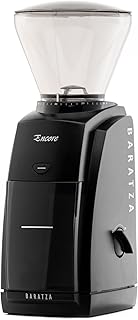 | Baratza Encore Coffee Grinder ZCG485BLK, BlackBaratza Encore Coffee Grinder ZCG485BLK, Black | A more specific use case | Useful fit for a narrower use case | View on Amazon |
 | Cuisinart Coffee Grinder, One Touch, Stainless Steel, 2.5 oz, DCG-20BKNCuisinart Coffee Grinder, One Touch, Stainless Steel, 2.5 oz, DCG-20BKN | Buyers comparing another solid option | Alternative feature and price balance | View on Amazon |
1) Baratza Encore ESP Coffee Grinder ZCG495BLK, Black — Most buyers comparing the category
If you want one grinder that can cover espresso and non-espresso brewing without overcomplicating your counter, this is the most balanced starting point on the list.
Best for: Most buyers comparing the category
Key feature: Balanced overall feature set
Watch for: confirm your preferred workflow (hopper vs single-dose), your brew range (espresso through drip), your available counter height/space, and how you’ll handle cleaning and retention before ordering.
🧐 Quick verdict: Best overall “one grinder” pick for most households—especially if you want espresso capability without jumping to a full prosumer setup.
| Pros ✅ | Cons ⚠️ |
|---|---|
| ✅ Versatile grind range for common home brewing styles | ⚠️ Dialing in espresso still takes patience and a repeatable workflow |
| ✅ Strong baseline for comparing value vs espresso-focused options | ⚠️ Like most grinders, retention/mess depends on how you use and clean it |
| ✅ Good fit for buyers upgrading from blade or entry burr grinders | ⚠️ Verify footprint, hopper needs, and where you’ll store beans |
Why it’s a top pick: For most buyers, the “best coffee grinder” isn’t the most expensive. Instead, it’s the one that matches your brew methods, gives you usable adjustment, and avoids daily friction (mess, awkward dosing, annoying controls, or hard cleaning).
Decision bullets
- Use-case check: list your brew methods (espresso, pour-over, drip, French press) and pick a grinder that can realistically serve them.
- Adjustment check: make sure the adjustment style makes sense for you (easy repeatable steps vs more espresso-focused dialing-in).
- Ownership check: confirm cleaning approach, retention expectations, and whether replacement parts/service matter for your long-term plan.
SelectRanker tip: If you’re buying for espresso, plan to spend time dialing in. For a faster “set it and forget it” routine, a drip-focused grind range may fit better.
2) OXO Brew Conical Burr Electric Coffee Bean Grinder – 12 Oz, Silver — Value-focused buyers
This is the “buy it once and use it daily” value pick for most non-espresso households that still want the key upgrade: consistent burr grinding.
Best for: Value-focused buyers
Key feature: Strong value for the intended use
Watch for: confirm whether you’re optimizing for drip/pour-over vs espresso. Value grinders can be excellent, but the grind range and dialing-in experience may not match espresso-focused needs.
🧐 Quick verdict: Best value for everyday coffee drinkers who want burr consistency and a straightforward workflow.
| Pros ✅ | Cons ⚠️ |
|---|---|
| ✅ Strong upgrade from blade grinding for most brew styles | ⚠️ May not satisfy espresso-focused dialing-in expectations |
| ✅ Easy to recommend for typical home “morning coffee” routines | ⚠️ Verify capacity/footprint and whether static/mess is acceptable |
| ✅ Sensible balance of convenience and results for the money | ⚠️ Confirm cleaning access and how you’ll manage bean storage |
Why it’s a top pick: In coffee grinder reviews, “value” usually means a burr grinder that’s easy to use, consistent enough for the brew methods you actually make, and not a pain to clean or live with.
Decision bullets
- Use-case check: best fit for drip, pour-over, and general-purpose grinding rather than espresso-first workflows.
- Tradeoff check: you’re buying simplicity and value, so don’t expect single-dose, low-retention behavior without changing your routine.
- Compatibility check: confirm where the grounds go (bin/portafilter support if relevant), and whether the size works for your counter/storage.
SelectRanker tip: If you’re mainly making espresso, jump to Pick #3. If drip or pour-over is your daily routine, this type of value burr grinder is often the smarter long-term buy.
3) MiiCoffee DF54 Single Dose Coffee Grinder (Black) — Buyers who want stronger features
This pick is aimed at espresso drinkers who want a single-dose workflow—measure beans per shot, grind, and keep beans fresher between sessions.
Best for: Buyers who want stronger features
Key feature: Higher-spec or more capable configuration
Watch for: confirm your espresso workflow details (portafilter fit, dosing cup use, and how you’ll manage static/retention). Also verify noise expectations and how much counter space you can dedicate.
🧐 Quick verdict: Best match for espresso-first buyers who want single-dose control rather than a hopper-based routine.
| Pros ✅ | Cons ⚠️ |
|---|---|
| ✅ Built around an espresso-friendly, single-dose routine | ⚠️ Single-dose workflows can be slower than “push button, fill hopper” routines |
| ✅ Easier to keep beans fresh and switch coffees between shots | ⚠️ You’ll still need dialing-in time and consistent puck prep |
| ✅ Strong shortlist option when espresso is the priority | ⚠️ Verify accessories and how you’ll handle grind mess/cleanup |
Why it’s a top pick: Espresso is where grinders separate fast. In practice, a coffee grinder comparison that ignores workflow (single-dose vs hopper) misses the daily experience—how quickly you can dial in, repeat, and keep mess under control.
Decision bullets
- Performance check: make sure it’s intended for espresso-level fineness and repeatable adjustments.
- Compatibility check: confirm how you’ll dose (portafilter vs cup) and whether any accessories you rely on are included.
- Workflow check: single-dose is great for freshness and switching beans, but it can add steps compared with hopper grinding.
SelectRanker tip: When you’re upgrading an espresso setup, prioritize the grinder first—then match the machine to it. If you’re still deciding on grinder type, use Burr Vs Blade Coffee Grinder.
4) Baratza Encore Coffee Grinder ZCG485BLK, Black — A more specific use case
This is a dependable “first serious burr grinder” choice for buyers who want better coffee than blade grinding, without turning the morning routine into a hobby.
Best for: A more specific use case
Key feature: Useful fit for a narrower use case
Watch for: confirm it fits your preferred brew methods and your counter space. Before you order, verify how you’ll clean it (and how often) to keep performance consistent.
🧐 Quick verdict: Best for beginners who want reliable burr grinding and a straightforward learning curve.
| Pros ✅ | Cons ⚠️ |
|---|---|
| ✅ Simple, reliable path to better grind consistency | ⚠️ Not the most espresso-specialized workflow on the list |
| ✅ Easier to live with than more complex “prosumer” setups | ⚠️ You still need to match settings to brew method and beans |
| ✅ Good fit for daily drip/pour-over routines | ⚠️ Verify capacity needs and whether hopper storage suits you |
Why it’s a top pick: Many buyers don’t need a grinder optimized for espresso micro-adjustments. Most households need a consistent burr grind, easy controls, and a routine they’ll actually stick with. This pick focuses on avoiding “new grinder regret.”
Decision bullets
- Fit check: confirm the grinder’s footprint and height work for your counter and cabinets.
- Brew-method check: match your primary brew style to the adjustment range you’ll use most.
- Setup check: plan for where grounds will go (bin, dosing cup, portafilter) and how you’ll handle cleanup.
SelectRanker tip: Beginners usually get the biggest improvement by switching from blade to burr and buying fresher beans, not by chasing ultra-fine adjustments they won’t use.
5) Cuisinart Coffee Grinder, One Touch, Stainless Steel, 2.5 oz, DCG-20BKN — Buyers comparing another solid option
If your priority is keeping cost as low as possible and you mainly make basic drip coffee, a simple blade grinder can be “good enough”—as long as you accept the limitations.
Best for: Buyers comparing another solid option
Key feature: Alternative feature and price balance
Watch for: blade grinders trade consistency for price. If you care about repeatable taste (or you’re buying for espresso), a burr grinder is usually the better long-term move.
🧐 Quick verdict: Best budget option when you just need fresh-ground coffee and can accept less consistent particle size.
| Pros ✅ | Cons ⚠️ |
|---|---|
| ✅ Low-cost way to start grinding at home | ⚠️ Less consistent grind than burr grinders, which can affect flavor |
| ✅ Simple controls and compact storage | ⚠️ Not a good match for espresso dialing-in |
| ✅ Makes sense for occasional use or tight budgets | ⚠️ You must control results by pulsing/time rather than true grind settings |
Why it’s a top pick: For some buyers, the best value is simply getting started. A blade grinder can beat pre-ground coffee on freshness, but you give up consistency, control, and easier dialing-in.
Decision bullets
- Budget check: if you can stretch to a burr grinder, it’s usually the better upgrade for consistency.
- Use-case check: best for basic drip and casual use, not espresso.
- Risk check: plan to pulse and shake for more even results, and expect more trial-and-error than with burr grinding.
SelectRanker tip: If taste feels inconsistent, the fastest upgrade is switching from blade to burr—more than chasing a “stronger motor” claim.
How we evaluate best coffee grinder options
The SelectRanker scoring lens
To recommend a top coffee grinder for real households (not just spec sheets), we focus on what changes daily results and ownership:
- Use-case match, including brew methods (espresso vs drip), frequency of use, and workflow preference (single-dose vs hopper)
- Useful specifications, focusing on burr vs blade, adjustment range, and consistency—because those drive flavor more than most marketing claims
- Compatibility and setup, including counter space, dosing method, grounds container fit, and whether the grinder supports your routine without extra gadgets
- Usability and ownership, including controls, noise, static/mess, retention, cleanup effort, and day-to-day convenience
- Ownership risk, including cleaning access, serviceability and parts, warranty/support, returns, and long-term value
Before you buy: best coffee grinder
Skip or slow down if these apply
Don’t buy this if…
- You haven’t decided whether you’re primarily brewing espresso or non-espresso (it changes what “best” means).
- You’re choosing by a single claim (like “quiet,” “fast,” or “premium burrs”) without checking workflow, mess/retention, and adjustment style.
- You haven’t checked counter height/space, where grounds will go (bin vs portafilter), and how you’ll store beans (hopper vs canister).
- The listing is unclear about cleaning steps, replacement parts, warranty coverage, or return terms.
- You’re buying a blade grinder expecting espresso performance or repeatable pour-over consistency.
Good signs you are ready to buy
Buy this if…
- You know your main brew method(s) and whether espresso is a priority.
- You’ve chosen a workflow you’ll actually use: hopper convenience or single-dose freshness/control.
- You checked fit, power needs, cleanup effort, and whether accessories you rely on are included.
- You want a short, clear shortlist instead of endless coffee grinder reviews and conflicting opinions.
Buyer’s guide to best coffee grinder
Start with the brew method (it decides everything)
Espresso demands finer, more precise adjustment than drip or French press. If you mainly brew drip, prioritize convenience, capacity, and cleanup. When espresso is your daily drink, prioritize dialing-in control and repeatability.
Burr vs blade: the most important fork in the road
Burr grinders aim for consistent particle size, which is the foundation of repeatable taste. Blade grinders can be inexpensive and compact, but they tend to produce a wider mix of particle sizes, so results are harder to repeat.
For a deeper breakdown, use: Burr Vs Blade Coffee Grinder.
Single-dose vs hopper: choose your daily workflow
Hopper grinders optimize for speed and convenience: fill with beans and grind on demand. Single-dose grinders optimize for freshness and control: weigh each dose, grind, and keep the rest sealed. Neither is “better” universally, so pick what you’ll actually do at 7 a.m.
- Convenience: hopper workflow is usually faster for back-to-back cups.
- Freshness and switching beans: single-dose makes it easier to rotate coffees without wasting beans.
- Mess/retention: both can be tidy or messy depending on design and technique—check buyer feedback for repeated complaints.
- Noise and counter space: verify where it will live and how loud it is likely to feel in your kitchen.
Adjustment and dialing-in: what “easy” really means
For drip and pour-over, look for settings that are easy to return to and consistent day to day. With espresso, you need enough control to dial in shots without feeling stuck between settings. If you change beans often, dialing-in ease matters even more.
Cleaning, mess, and long-term ownership
Grinders live on the counter, so small annoyances add up. Before buying, check how you’ll access burrs for cleaning, how grounds are collected, whether static is a common complaint, and whether parts/support are available if something wears out.
Warranty, returns, and support
Because grinders are mechanical and used frequently, return terms and support matter. Verify the seller’s return window, the manufacturer warranty terms, and whether the brand has a track record for replacement parts and service guidance.
Decision table: buyer concern → what it means → what to check
| Concern | Likely cause | What to check before buying |
|---|---|---|
| My coffee tastes inconsistent from cup to cup | Grind particle size is inconsistent, or settings are hard to repeat | Choose burr over blade, verify adjustment style, and check reviews for consistency complaints |
| I can’t dial in espresso without frustration | Not enough fine control, or the grinder isn’t espresso-oriented | Confirm the grinder is intended for espresso; consider single-dose workflow if you change beans often |
| The grinder is messy (static, spraying grounds) | Static and retention issues, plus container fit and technique | Check how grounds are collected, whether a dosing cup is used, and repeated complaints in reviews |
| It doesn’t fit my counter or cabinets | Height/footprint overlooked | Measure counter space and cabinet clearance; verify hopper height if it will live under cabinets |
| It’s annoying to use every morning | Workflow mismatch (single-dose vs hopper), awkward controls, slow routine | Match the grinder to your routine: speed, capacity, and how many cups you make back-to-back |
| Ownership gets expensive or inconvenient | Hard cleaning, no parts availability, weak support | Check cleaning access, parts/service reputation, warranty terms, and return policy |
| I’m overwhelmed by coffee grinder comparison charts | Specs don’t map cleanly to your brew method | Return to basics: brew method, burr vs blade, workflow, cleanup, and counter fit |
Use the related SelectRanker guides below for deeper category-specific sizing, fit, compatibility, setup, maintenance, and ownership questions.
Common mistakes and quick wins
Quick wins before you buy
- Pick the brew method first. Espresso-first and drip-first buyers should not shop the same way.
- Choose burr unless budget forces blade. Burr consistency is the biggest day-one improvement for most people.
- Match the workflow to your mornings. Single-dose is great for control; hopper is great for speed—choose what you’ll actually do.
- Read the “mess” complaints. Static, retention, and grounds-bin fit are the issues that make people regret a grinder.
Common mistakes
- Buying a blade grinder expecting café-style espresso results.
- Choosing a grinder for “more settings” instead of better workflow and repeatability.
- Ignoring counter height/footprint and hopper clearance under cabinets.
- Not planning for cleaning access, static/mess, and where grounds will go.
- Overbuying for features you won’t use (or underbuying for espresso).
For deeper context, continue with the related SelectRanker guides covering sizing, specifications, compatibility, setup, maintenance, and closely related product comparisons for this topic.
Related SelectRanker guides
- Explore the broader SelectRanker category guide for this product type: Best Products hub
- Browse more kitchen coverage: Kitchen hub
- See more coffee and espresso gear: Coffee Espresso hub
- If espresso is your goal, pair your grinder decision with: Best Espresso Machines 2027
- Learn the key grinder choice that affects taste most: Burr Vs Blade Coffee Grinder
FAQs
1) What matters most when choosing the best coffee grinder?
Start with your brew method (espresso vs drip/pour-over/French press). Next, choose burr vs blade, then pick a workflow (single-dose vs hopper). After that, check adjustment usability, mess/retention complaints, counter fit, and how easy it is to clean and maintain.
2) Is a burr grinder always better than a blade grinder?
For most people, yes, because burr grinders aim for more consistent particle size, which improves repeatability and flavor clarity. However, a blade grinder can still make sense for tight budgets or occasional use. Just expect a compromise on consistency, and don’t plan on espresso.
3) Do I need a grinder made specifically for espresso?
If you make espresso often, an espresso-capable grinder helps a lot. Espresso typically needs finer grinding and more precise adjustment than drip. For occasional espresso, a versatile grinder can work, but you’ll likely spend more time dialing in.
4) Should I choose a single-dose or hopper grinder?
Choose a hopper grinder if you want speed and convenience for repeated cups, especially in shared households. Go single-dose if you want to keep beans fresher, switch coffees often, and control each dose. That workflow is common for espresso drinkers and enthusiasts.
5) Why do coffee grinder reviews talk so much about retention and static?
Because they affect everyday use. Retention is leftover grounds inside the grinder, which can make dosing less predictable and mix old grounds into new. Static can cause grounds to cling or spray, creating mess. If those issues bother you, prioritize workflow and cleanup, not just grind settings.
6) What should I verify before ordering a coffee grinder online?
Verify counter footprint and height (especially under cabinets), burr vs blade type, adjustment style, and capacity (hopper/bin). Also check how grounds are collected, cleaning access, included accessories, warranty/returns, and repeated buyer complaints about mess, noise, or reliability.
7) Is it smarter to upgrade the grinder or the espresso machine first?
Usually the grinder first. A capable grinder can improve results even on a modest machine, while a great machine can’t fix inconsistent grinding. If you’re shopping both, compare options here, then continue with: Best Espresso Machines 2027.
8) What’s the simplest way to get better coffee at home in 2027?
Buy fresher beans and grind them with a burr grinder matched to your brew method. Then build a repeatable routine (dose, grind setting, and brew time). That approach usually beats chasing extra grinder “features” that don’t change your workflow.
Final verdict on best coffee grinder
If you want the safest first choice, start with Pick #1 because it’s the most balanced option for brew-method flexibility, everyday usability, and long-term ownership.
Choose Pick #2 when you want the best value in a straightforward burr grinder for daily coffee.
Choose Pick #3 when espresso is the priority and you want a single-dose workflow.
Choose Pick #4 when you’re a beginner who wants a reliable burr grinder with a simple routine.
Choose Pick #5 when budget is the main constraint and you accept the consistency tradeoffs of blade grinding.
For more context, continue with the related SelectRanker category hub and guides listed above.