Best Coffee Makers 2027: Top 5 Picks Compared
The best coffee maker depends on how you actually brew, not on the longest feature list. “Coffee maker” can mean a big-batch drip machine, a single-serve pod brewer, or a capsule system for espresso-style drinks.
To choose confidently, match the machine to your routine: how many cups you make, how much counter space you have, how much effort you want for prep and cleanup, and whether you’re comfortable with pods or proprietary capsules.
This SelectRanker roundup keeps it practical with a coffee maker comparison across 5 popular styles, plus quick fit checks so you can shortlist without getting lost in marketing terms or endless coffee maker reviews.
If you’re building a coffee setup from scratch for coffee maker 2027 shopping, think about the “supporting cast” too (filters, descaling, carafe type, and hot water needs). For hot water and pour-over-friendly setups, see: Best Electric Kettles 2027.
Top 3 Coffee Makers
Compare the first three reviewed products at a glance.
Disclosure: As an Amazon Associate, SelectRanker may earn from qualifying purchases. We may also earn from other affiliate links. This does not change what we recommend or how we compare products.
#1
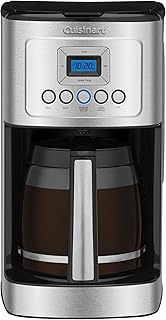
Cuisinart Coffee Maker, Programmable, 14-Cup Glass Carafe, DCC-3200
Editor's Pick
Our top-three picks Rating
Best for
Most buyers comparing the category
Key feature
Balanced overall feature set
#2

BLACK+DECKER 12-Cup Drip Coffee Maker with Vortex Brewing
Strong Choice
Our top-three picks Rating
Best for
Value-focused buyers
Key feature
Strong value for the intended use
#3
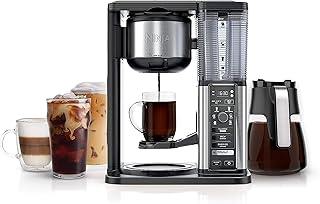
Ninja Coffee Maker, 10-Cup Carafe, Fold-Away Frother, Black, CM401
Featured Pick
Our top-three picks Rating
Best for
Buyers who want stronger features
Key feature
Higher-spec or more capable configuration
This page compares 5 product options, focused on real buying decisions:
- Use-case and fit, including batch size vs single-serve, counter clearance, carafe vs cup, and how often you actually brew
- Performance and compatibility, including brew style (drip vs pod vs capsule espresso), carafe type, programmability, and any required pods/capsules or filters
- Ownership risk, including cleaning/descaling effort, ongoing consumable cost, parts availability (carafes, filters), warranty/support, and return practicality
SelectRanker connects each comparison to the most relevant category hub, related product comparisons, and practical buying guides so you can check the wider context before ordering.
Best Coffee Maker 2027: Top 5 Picks Compared
| Image | Product | Best for | Key feature | View on Amazon |
|---|---|---|---|---|
| Cuisinart Coffee Maker, Programmable, 14-Cup Glass Carafe, DCC-3200Cuisinart Coffee Maker, Programmable, 14-Cup Glass Carafe, DCC-3200 | Most buyers comparing the category | Balanced overall feature set | View on Amazon |
| BLACK+DECKER 12-Cup Drip Coffee Maker with Vortex BrewingBLACK+DECKER 12-Cup Drip Coffee Maker with Vortex Brewing | Value-focused buyers | Strong value for the intended use | View on Amazon |
| Ninja Coffee Maker, 10-Cup Carafe, Fold-Away Frother, Black, CM401Ninja Coffee Maker, 10-Cup Carafe, Fold-Away Frother, Black, CM401 | Buyers who want stronger features | Higher-spec or more capable configuration | View on Amazon |
 | Keurig K-Express Single Serve K-Cup Pod Coffee Maker, BlackKeurig K-Express Single Serve K-Cup Pod Coffee Maker, Black | A more specific use case | Useful fit for a narrower use case | View on Amazon |
 | Nespresso Vertuo Pop+ Coffee & Espresso Maker by Breville, Black & GoldNespresso Vertuo Pop+ Coffee & Espresso Maker by Breville, Black & Gold | Buyers comparing another solid option | Alternative feature and price balance | View on Amazon |
1) Cuisinart Coffee Maker, Programmable, 14-Cup Glass Carafe, DCC-3200 — Most buyers comparing the category
If you want one dependable drip machine for everyday use, this is a strong place to start. It suits households that brew multiple mugs, want a programmable routine, and prefer ground coffee over pods.
Best for: Most buyers comparing the category
Key feature: Balanced overall feature set
Watch for: confirm counter footprint and height clearance (especially under cabinets), carafe handling, filter type, and how you’ll handle regular cleaning/descaling based on your water hardness.
🧐 Quick verdict: Best overall “normal coffee” choice when you want batch brewing, straightforward controls, and fewer ongoing consumable costs than pods.
| Pros ✅ | Cons ⚠️ |
|---|---|
| ✅ Strong all-around fit for most drip-coffee households | ⚠️ Takes more counter space than single-serve options |
| ✅ Programmable workflow suits morning routines | ⚠️ Glass carafes can be a breakage risk—check replacement availability |
| ✅ Avoids pod lock-in and per-cup capsule costs | ⚠️ Needs regular cleaning/descaling for best taste over time |
Why it’s a top pick: Most buyers want a machine that makes good drip coffee reliably, fits the kitchen, and avoids expensive consumables. As a result, this pick works as a practical benchmark for batch size, programmability, and day-to-day usability.
Decision bullets
- Use-case check: best if you routinely brew multiple cups and want a set-it-and-forget-it morning routine.
- Workflow check: plan for grounds, filters, and carafe handling (pouring, cleaning, and storage).
- Ownership check: verify filter type and replacement carafe availability, and expect periodic descaling if you have hard water.
SelectRanker tip: When you compare drip machines, prioritize the “living with it” details—carafe pour comfort, basket access under cabinets, and cleaning steps—over extra modes you won’t use.
2) BLACK+DECKER 12-Cup Drip Coffee Maker with Vortex Brewing — Value-focused buyers
If you want drip coffee for a household (or office) without paying extra for premium styling or niche features, this is the value-driven pick. It’s a sensible match when you mostly want “make a full pot, fast and easy” and you’re happy keeping things simple.
Best for: Value-focused buyers
Key feature: Strong value for the intended use
Watch for: confirm whether you need programmability, specific brew-strength controls, or a thermal carafe. Value models can be a win, but only if they cover your must-haves.
🧐 Quick verdict: Best value for straightforward batch brewing when you’d rather spend on better beans than extra machine features.
| Pros ✅ | Cons ⚠️ |
|---|---|
| ✅ Strong budget-friendly alternative to the overall pick | ⚠️ May offer fewer “nice-to-have” controls than pricier drip machines |
| ✅ Good fit for shared spaces that brew multiple cups | ⚠️ Value designs can be less refined in materials and long-term durability |
| ✅ Keeps ongoing costs low (no pods required) | ⚠️ Still requires routine cleaning and descaling for consistent taste |
Why it’s a top pick: This option targets the most common drip-coffee need: affordable batch brewing without pod lock-in. For many shoppers, “best coffee maker 2027” really means “best fit for my daily routine at a sensible cost,” and this pick stays focused on that goal.
Decision bullets
- Use-case check: best when you mostly want a simple pot of coffee and don’t need specialty drinks.
- Tradeoff check: you may give up premium materials, advanced programmability, or niche brew controls.
- Compatibility check: verify carafe type, filter requirements, and whether the footprint fits your counter and cabinet clearance.
SelectRanker tip: To save money long term, compare ongoing costs (pods/capsules vs grounds) and how often you’ll replace filters or parts—not just the machine itself.
3) Ninja Coffee Maker, 10-Cup Carafe, Fold-Away Frother, Black, CM401 — Buyers who want stronger features
This pick suits buyers who want more than “one kind of drip coffee” without moving to a dedicated espresso machine. It’s especially helpful if your household switches between hot coffee, iced coffee, and milk-based drinks and you want one machine to cover multiple routines.
Best for: Buyers who want stronger features
Key feature: Higher-spec or more capable configuration
Watch for: confirm which brew styles you’ll actually use, how much counter space you have, and whether the added features increase cleanup time compared with a basic drip machine.
🧐 Quick verdict: Best for variety drinkers who want one machine that can flex between everyday coffee and café-style extras.
| Pros ✅ | Cons ⚠️ |
|---|---|
| ✅ Covers multiple drink styles in one countertop machine | ⚠️ More features can mean more parts to clean and store |
| ✅ Good fit for households with mixed preferences | ⚠️ If you only drink basic drip, it may be more machine than you need |
| ✅ Helpful when you want repeatable routines beyond “full pot” | ⚠️ Verify included accessories and replacement parts availability |
Why it’s a top pick: A “specific use” coffee maker wins when it simplifies your real routine. If you regularly make iced coffee or use milk frothing features, a more versatile brewer can feel better than buying separate gadgets or paying capsule prices for every drink.
Decision bullets
- Performance check: decide whether you want one machine for multiple styles (hot/iced/milk drinks) or a simpler dedicated drip brewer.
- Workflow check: factor in extra steps—frothing, measuring, and cleaning—versus the convenience of pods.
- Space check: verify footprint and where you’ll store accessories when not in use.
SelectRanker tip: Extra drink modes pay off when they reduce friction in your routine. Otherwise, a simpler drip machine (or a true espresso setup) can be the better long-term fit.
4) Keurig K-Express Single Serve K-Cup Pod Coffee Maker, Black — A more specific use case
This is the convenience-first pick for single-serve coffee. It fits apartments, dorms, offices, and households where people want different flavors or brew at different times—without brewing (and wasting) a full pot.
Best for: A more specific use case
Key feature: Useful fit for a narrower use case
Watch for: K-Cup costs add up over time, and pod machines still need cleaning (drip tray, needle area, and descaling). Also confirm your favorite mug size fits under the spout.
🧐 Quick verdict: Best for fast, low-effort single cups—ideal when convenience matters more than per-cup cost.
| Pros ✅ | Cons ⚠️ |
|---|---|
| ✅ Quick single-serve workflow with minimal prep | ⚠️ Higher ongoing cost if you rely on pods daily |
| ✅ Great for shared spaces with different preferences | ⚠️ Brew strength and taste can vary by pod brand and freshness |
| ✅ Compact alternative to full-size drip brewers | ⚠️ Mug height/clearance and water reservoir size should be checked |
Why it’s a top pick: For many buyers, the best coffee maker is the one they’ll actually use every day. If you skip brewing because you don’t want to measure grounds or clean a carafe, a pod machine can be the most realistic solution—even if it’s not the cheapest per cup.
Decision bullets
- Fit check: confirm mug clearance and where the machine will live on your counter.
- Cost check: estimate your weekly pod usage and compare it to ground coffee costs.
- Maintenance check: plan to descale regularly and keep the pod area clean to avoid taste issues and clogs.
SelectRanker tip: If you want pod convenience with more flexibility, check whether reusable pod options fit your routine. Still, don’t assume they’ll taste identical to your favorite branded pods.
5) Nespresso Vertuo Pop+ Coffee & Espresso Maker by Breville, Black & Gold — Buyers comparing another solid option
This alternative pick is for buyers who want convenient coffee and espresso-style drinks from a capsule system. It’s a strong fit if you like lattes and espresso-based beverages but don’t want the learning curve (or counter footprint) of a semi-automatic espresso machine.
Best for: Buyers comparing another solid option
Key feature: Alternative feature and price balance
Watch for: capsule ecosystems are convenient but lock you into ongoing capsule costs and availability. Before you commit, confirm the drink sizes you prefer are supported by the capsule types you plan to buy.
🧐 Quick verdict: Best for espresso-leaning households that want café-style variety without a traditional espresso workflow.
| Pros ✅ | Cons ⚠️ |
|---|---|
| ✅ Convenient path to espresso-style drinks at home | ⚠️ Ongoing capsule cost and availability are major ownership factors |
| ✅ Less mess than grinding/tamping espresso | ⚠️ Not the same experience as dialing in fresh-ground espresso |
| ✅ Good “all-in-one” alternative to drip + espresso setups | ⚠️ Descaling and capsule storage still require a routine |
Why it’s a top pick: This is the “different direction” option in the coffee maker 2027 landscape. Instead of brewing a big pot, it focuses on convenient espresso-style drinks. If your household mainly drinks cappuccinos, lattes, or smaller, stronger cups, it can be a better match than drip.
Decision bullets
- Routine check: best if you’ll actually use the espresso-style capability (not just “maybe someday”).
- Budget check: compare capsule cost over time versus beans/grounds.
- Space check: plan where capsules, accessories, and descaling supplies will live.
SelectRanker tip: Capsule machines shine when you value consistency and convenience. If you love tinkering with grind size and extraction, a traditional espresso setup may satisfy you more.
How we evaluate best coffee maker options
The SelectRanker scoring lens
To recommend coffee makers that make sense for real kitchens (not just product pages), we focus on what changes daily results and long-term ownership:
- Use-case match, including batch vs single-serve, drink types (drip vs espresso-style), frequency of use, and how many people you brew for
- Useful specifications, focusing on practical capacity, programmability, brew format, and whether the system relies on pods/capsules or standard grounds/filters
- Compatibility and setup, including counter footprint, under-cabinet clearance, carafe/cup clearance, filter type, and any required pod/capsule ecosystem
- Usability and ownership, including how fast it fits into a morning routine, how messy it is, how hard it is to clean, and how annoying it is to refill
- Ownership risk, including descaling needs, recurring consumable costs, replacement parts (carafes, filters), warranty/support, and return practicality
Before you buy: best coffee maker
Skip or slow down if these apply
Don’t buy this if…
- You haven’t decided whether you want batch drip, single-serve pods, or espresso-style capsules.
- You’re choosing based on “cups” alone without thinking about your mug size, how many people brew, and how often you brew.
- You haven’t checked counter footprint and height clearance (a common reason coffee makers get returned).
- You haven’t considered ongoing costs (pods/capsules, filters, descaling solution) and how they compare to ground coffee.
- You’re not sure you’re willing to do the routine cleaning/descaling required to keep taste consistent over time.
Good signs you are ready to buy
Buy this if…
- You know your brewing style (full pot vs single cup) and what “good coffee” means for you (strength, convenience, drink variety).
- You’ve checked space constraints: footprint, under-cabinet clearance, and mug/carafe handling.
- You’re comfortable with the ownership model: grounds + filters vs pods/capsules + descaling.
- You want a clear shortlist instead of scrolling through endless coffee maker reviews and spec sheets.
Buyer’s guide to best coffee maker
Start with your brew style: drip, pods, or capsule espresso
The biggest decision is format. Drip machines are usually the lowest-cost way to brew multiple cups. Pod machines trade higher per-cup cost for speed and low effort. Capsule espresso systems focus on espresso-style drinks with convenience, but they come with ecosystem lock-in and ongoing capsule costs.
Performance and features: what actually changes your daily coffee
For a coffee maker comparison that matters, focus on features that affect your routine—not marketing labels. For example, programmability helps morning schedules, while carafe type affects heat retention and durability. In mixed households, brew-size flexibility matters more than extra modes.
- Performance: prioritize consistent brewing and the drink types you actually make (drip, iced, espresso-style).
- Capacity and size: match batch size to your household so you don’t constantly re-brew or waste leftover coffee.
- Controls and usability: consider how easy it is to fill, start, pour, and clean—every day.
- Portability and setup: compact single-serve can be ideal for small spaces; larger drip machines can be better for families.
Compatibility, size, setup, and ecosystem
Before ordering, verify the details that commonly cause buyer regret: counter footprint, under-cabinet clearance, mug/carafe clearance, filter style, and whether you’re comfortable committing to pods or proprietary capsules for years.
If two products solve the same need differently, use the related SelectRanker comparison and buying guides supplied with the page to understand the tradeoff before buying.
Build quality, usability, and included accessories
Focus on the parts you’ll touch most: the carafe, lid, water reservoir, brew basket, and drip tray. In coffee maker reviews, repeated complaints about leaking, fragile carafes, awkward refilling, or hard-to-clean areas usually matter more than minor feature differences.
Maintenance, recurring costs, parts, and ownership
Drip machines typically mean filters and descaling. Pod and capsule machines mean ongoing pod/capsule purchases plus descaling. Because hard water increases buildup, plan for cleaning cycles and check whether replacement parts (like carafes) are easy to find.
Warranty, returns, support, and long-term value
Small appliances can still be annoying to return if they’re bulky, messy after use, or missing packaging. Before you buy, read the seller’s return terms, confirm warranty coverage, and follow the manufacturer’s cleaning/descaling guidance—especially for pod/capsule systems where clogs can happen if maintenance is skipped.
Decision table: buyer concern → what it means → what to check
| Concern | Likely cause | What to check before buying |
|---|---|---|
| Coffee tastes weak or inconsistent | Brew format doesn’t match your expectations, or maintenance/cleaning is overdue | Choose the right format (drip vs pod vs capsule espresso), check brew size options, and plan for regular cleaning/descaling |
| The machine doesn’t fit on the counter | Footprint or under-cabinet clearance wasn’t checked | Verify dimensions, lid opening clearance, and where you’ll refill the reservoir |
| Mugs don’t fit or it’s messy to pour | Clearance issues or awkward carafe/drip tray design | Check mug clearance, drip tray height, carafe pour design, and handle comfort |
| It’s inconvenient for a shared household | Wrong brewing style for multiple schedules/preferences | Consider single-serve pods for flexibility or a larger drip machine for batch brewing |
| Ownership becomes expensive | Pods/capsules cost more than expected | Estimate weekly usage and compare per-cup cost vs grounds; confirm capsule availability |
| Cleaning feels like a chore | More parts/features than your routine can support | Prioritize simpler designs if you won’t maintain complex systems; confirm descaling steps and frequency guidance |
| The feature list feels confusing | Different formats and “cups” claims aren’t directly comparable | Return to your routine: batch size, drink type, space, cleanup tolerance, and ongoing cost |
Use the related SelectRanker guides below for deeper category-specific sizing, fit, compatibility, setup, maintenance, and ownership questions.
Common mistakes and quick wins
Quick wins before you buy
- Pick the format first. Drip for batch value, pods for convenience, capsule espresso for espresso-style drinks without the learning curve.
- Measure your space. Check footprint and under-cabinet clearance, plus mug height under the spout (single-serve) or carafe pour clearance (drip).
- Do a 30-second cost reality check. If you brew daily, pods/capsules can dwarf the machine price over time.
- Plan for maintenance. Descaling isn’t optional if you want consistent taste—especially with hard water.
Common mistakes
- Buying a pod/capsule system without checking long-term consumable cost and availability.
- Choosing a “12-cup” or “14-cup” machine without thinking about your actual mug size and how many people drink coffee.
- Ignoring counter height clearance and lid opening space until the box arrives.
- Overbuying features (iced modes, frothers, specialty settings) you won’t maintain or clean.
- Skipping descaling/cleaning and blaming the machine for bad taste later.
For deeper context, continue with the related SelectRanker guides covering sizing, specifications, compatibility, setup, maintenance, and closely related product comparisons for this topic.
Related SelectRanker guides
- Explore the broader SelectRanker category guide for this product type: Best Products hub
- Browse kitchen and countertop appliance buying guides: Kitchen hub
- See more coffee and espresso coverage: Coffee Espresso hub
- If hot water speed and temperature control are part of your coffee routine, also see: Best Electric Kettles 2027
FAQs
1) What matters most when choosing the best coffee maker?
Start with the brew format (drip vs pod vs capsule espresso) and your daily routine (single cup vs full pot). Next, check counter fit, mug/carafe clearance, cleanup effort, and long-term cost (filters vs pods/capsules). After that, compare extra features.
2) Drip coffee maker or pod machine: which is the better fit?
Drip is usually the better fit for households that brew multiple cups and want lower ongoing cost. Pod machines make more sense when speed and convenience matter most, or when different people want different flavors at different times. In practice, the “better” choice is the one you’ll use consistently.
3) Are capsule espresso systems worth it for everyday coffee drinkers?
They can be worth it if you regularly drink espresso-style beverages and want convenience without grinding and tamping. The main tradeoff is ongoing capsule cost and ecosystem lock-in. If you mostly drink regular brewed coffee, a drip machine is typically the better value.
4) What should I measure before buying a coffee maker online?
Measure the footprint and under-cabinet clearance, and think about how you’ll refill the water reservoir. For single-serve, check mug height clearance. For drip, consider carafe handling and whether you have room to remove and clean the brew basket easily.
5) How much cleaning and descaling should I expect?
All coffee makers need routine cleaning. Drip machines typically need basket and carafe cleaning plus periodic descaling. Pod/capsule machines also need descaling and cleaning around the pod/capsule area and drip tray. If you have hard water, you’ll usually descale more often.
6) How should I interpret “cup” capacity on coffee makers?
“Cups” are often smaller than a typical travel mug. If you drink large mugs, treat the listed cup count as a rough guide and leave extra margin. For households, sizing up slightly can be easier than re-brewing multiple times each morning.
7) What’s the most common hidden cost with coffee makers?
With pod/capsule systems, the hidden cost is the ongoing price of pods/capsules (and sometimes limited availability of favorites). With drip machines, costs are usually smaller but can include filters, descaling supplies, and replacement parts like carafes if they break.
8) What should I confirm right before I place an order?
Confirm the exact model, dimensions, brew format, and what consumables it requires (filters, pods, or capsules). Then review cleanup/descaling expectations, replacement part availability (especially carafes), warranty/return terms, and repeated buyer complaints that match your routine.
Final verdict on best coffee maker
If you want the safest first choice, start with Pick #1 because it gives you a clean baseline for batch drip brewing, programmability, and everyday ownership.
Choose Pick #2 when you want straightforward drip coffee with a value-first approach.
Pick #3 fits best when drink variety (like iced coffee and milk drinks) matters more than having the simplest machine.
Go with Pick #4 when single-serve convenience and speed are your top priorities.
Choose Pick #5 when you want convenient espresso-style drinks and you’re comfortable with capsule ownership.
For more context, continue with the related SelectRanker category hub and guides listed above.