Best Espresso Machines 2027: Top 5 Picks Compared
Searching for the best espresso machine gets confusing fast because many “espresso machine reviews” mix very different machine types—manual, semi-automatic, pod-based, and combo brewers. As a result, the “top espresso machine” for one kitchen can be the wrong buy for another.
This SelectRanker espresso machine comparison stays practical. We focus on workflow (how you actually make drinks), counter space, learning curve, milk setup, and ongoing ownership needs like cleaning, consumables, and parts.
For a quick shortlist for espresso machine 2027 shopping, start with Pick #1. Then use the “best for” notes to match your routine, drink style, and available space.
Top 3 Espresso Machines
Compare the first three reviewed products at a glance.
Disclosure: As an Amazon Associate, SelectRanker may earn from qualifying purchases. We may also earn from other affiliate links. This does not change what we recommend or how we compare products.
#1
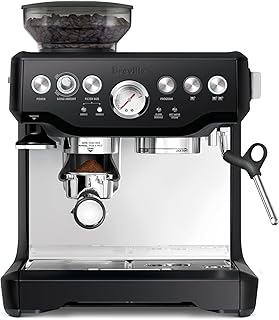
Breville BES870BTR Barista Express Espresso Machine, Black Truffle
Editor's Pick
Our top-three picks Rating
Best for
Most buyers comparing the category
Key feature
Balanced overall feature set
#2

Breville BES450BSS Bambino Espresso Machine, Brushed Stainless Steel
Strong Choice
Our top-three picks Rating
Best for
Value-focused buyers
Key feature
Strong value for the intended use
#3

De'Longhi Stilosa Compact Manual Espresso Machine, Manual Milk Frother
Featured Pick
Our top-three picks Rating
Best for
Buyers who want stronger features
Key feature
Higher-spec or more capable configuration
This page compares 5 product options, focused on real buying decisions:
- Use-case and fit, including who the product is for, where it will be used, size or fit, portability where relevant, and expected frequency of use
- Performance and compatibility, including the category-specific specifications, dimensions, capacity, connectivity or power needs, included accessories, and setup that affect real use
- Ownership risk, including maintenance, recurring costs, replacement parts, subscriptions where relevant, warranty/support, returns, and long-term value
SelectRanker connects each comparison to the most relevant category hub, related product comparisons, and practical buying guides. That way, you can check the wider context before ordering.
Best Espresso Machines 2027: Top 5 Picks Compared
| Image | Product | Best for | Key feature | View on Amazon |
|---|---|---|---|---|
| Breville BES870BTR Barista Express Espresso Machine, Black TruffleBreville BES870BTR Barista Express Espresso Machine, Black Truffle | Most buyers comparing the category | Balanced overall feature set | View on Amazon |
| Breville BES450BSS Bambino Espresso Machine, Brushed Stainless SteelBreville BES450BSS Bambino Espresso Machine, Brushed Stainless Steel | Value-focused buyers | Strong value for the intended use | View on Amazon |
| De'Longhi Stilosa Compact Manual Espresso Machine, Manual Milk FrotherDe'Longhi Stilosa Compact Manual Espresso Machine, Manual Milk Frother | Buyers who want stronger features | Higher-spec or more capable configuration | View on Amazon |
 | Ninja Luxe Café Premier 3-in-1 Espresso Machine, Drip Coffee, & Cold BrewNinja Luxe Café Premier 3-in-1 Espresso Machine, Drip Coffee, & Cold Brew | A more specific use case | Useful fit for a narrower use case | View on Amazon |
 | Nespresso Vertuo Pop+ Coffee and Espresso Machine by De'Longhi, BlackNespresso Vertuo Pop+ Coffee and Espresso Machine by De'Longhi, Black | Buyers comparing another solid option | Alternative feature and price balance | View on Amazon |
1) Breville BES870BTR Barista Express Espresso Machine, Black Truffle — Most buyers comparing the category
A strong “daily driver” pick for most shoppers who want real espresso at home in one machine, without turning every drink into a project.
Best for: Most buyers comparing the category
Key feature: Balanced overall feature set
Watch for: confirm your counter space, whether you want an all-in-one workflow (grind + brew), and what cleaning/descaling routine you can stick with long-term.
🧐 Quick verdict: A “complete” baseline pick—use it as the reference point for every other espresso machine on this list.
| Pros ✅ | Cons ⚠️ |
|---|---|
| ✅ Strong all-in-one style option for daily espresso drinks | ⚠️ Takes more counter space than ultra-compact machines |
| ✅ Helps you avoid piecing together a separate grinder + brewer on day one | ⚠️ Best results still depend on dialing in grind and dose |
| ✅ Makes it easier to build a repeatable home routine | ⚠️ Plan for regular cleaning and descaling as part of ownership |
Why it’s a top pick: For most buyers, the “best espresso machine” is the one that makes consistent shots realistic at home. Because this pick is positioned as a full-workflow option, it’s a strong reference point for capability, convenience, and long-term ownership.
Decision bullets
- Workflow check: decide if you want one machine to handle grinding and brewing, or if you prefer a separate grinder setup (often more flexible, but more gear).
- Milk drinks check: if cappuccinos/lattes are the goal, confirm the steaming approach matches your comfort level (manual technique vs. more automated help).
- Ownership check: plan for routine cleaning and periodic descaling, plus any filters or accessories you’ll realistically keep stocked.
SelectRanker tip: If you don’t already own a capable grinder, an all-in-one espresso setup can be the simplest path to “good espresso” without a long upgrade trail.
2) Breville BES450BSS Bambino Espresso Machine, Brushed Stainless Steel — Value-focused buyers
A compact pick for shoppers who want a smaller footprint and a faster “get to espresso” setup, especially in apartments, offices, or tight coffee stations.
Best for: Value-focused buyers
Key feature: Strong value for the intended use
Watch for: you’ll still need a grinder plan (pre-ground vs. a dedicated grinder). Also confirm cup clearance and how you’ll froth milk for the drinks you make most.
🧐 Quick verdict: A smarter buy when counter space is the constraint, not your enthusiasm for a giant feature list.
| Pros ✅ | Cons ⚠️ |
|---|---|
| ✅ Easier fit for small kitchens and minimalist setups | ⚠️ Not an all-in-one: plan your grinder and accessories |
| ✅ Quick, straightforward espresso workflow for many households | ⚠️ Smaller machines can mean less room for tall cups or larger pitchers |
| ✅ Great complement to a quality standalone grinder | ⚠️ Milk drinks may require more manual technique depending on your setup |
Why it’s a top pick: Many buyers don’t need a large, all-in-one machine. Instead, they need a compact brewer that fits the space and supports a consistent routine. This pick matches that reality when footprint and simplicity drive the decision.
Decision bullets
- Use-case check: confirm this is for espresso-first households that don’t need a built-in grinder or “do everything” counter appliance.
- Tradeoff check: a smaller footprint can mean less clearance, smaller tanks, or a more hands-on milk workflow—verify what matters for your drinks.
- Compatibility check: confirm the portafilter/basket approach you plan to use (and whether you’ll use pre-ground coffee or pair it with a burr grinder).
SelectRanker tip: If you’re pairing with a grinder, read our grinder coverage first: <br>Best Coffee Grinders 2027 and <br>Burr Vs Blade Coffee Grinder.
3) De'Longhi Stilosa Compact Manual Espresso Machine, Manual Milk Frother — Buyers who want stronger features
A value-oriented manual espresso option for buyers who want an affordable entry point and don’t mind learning the basics of dosing, tamping, and milk frothing.
Best for: Buyers who want stronger features
Key feature: Higher-spec or more capable configuration
Watch for: results depend heavily on your grinder (or the quality of your pre-ground coffee), your puck prep, and your willingness to practice a repeatable routine.
🧐 Quick verdict: Best for stretching your budget—if you’re okay trading convenience for hands-on control.
| Pros ✅ | Cons ⚠️ |
|---|---|
| ✅ Lower-cost path to “real espresso machine” ownership | ⚠️ More technique-dependent than semi-automatic alternatives |
| ✅ Good fit for learning the basics without a huge investment | ⚠️ You may want to budget for a better grinder over time |
| ✅ Works well for occasional espresso and milk drinks | ⚠️ Expect more manual steps and cleanup than pod systems |
Why it’s a top pick: Value in espresso isn’t just the purchase price. It’s also whether the machine helps you get enjoyable drinks without forcing expensive upgrades immediately. This pick is a sensible starting point for buyers who accept a more manual process.
Decision bullets
- Performance check: if you want café-style shot control, prioritize your grinder and consistency of puck prep as much as the machine itself.
- Compatibility check: verify basket/portafilter style, your preferred coffee input (fresh ground vs. pre-ground), and your milk setup.
- Workflow check: be honest about whether you’ll enjoy the hands-on routine on busy mornings.
SelectRanker tip: If you’re chasing better shots on a budget, upgrading to a good burr grinder often moves the needle more than upgrading the espresso machine body. Start here: <br>Burr Vs Blade Coffee Grinder.
4) Ninja Luxe Café Premier 3-in-1 Espresso Machine, Drip Coffee, & Cold Brew — A more specific use case
A strong fit for buyers who want one countertop system that covers multiple drink styles—especially when your household splits between espresso drinks and classic drip or cold brew.
Best for: A more specific use case
Key feature: Useful fit for a narrower use case
Watch for: combo machines can be larger and more complex. Before you commit, confirm footprint, carafe/cup clearance, cleaning steps, and whether you’ll actually use the “3-in-1” modes regularly.
🧐 Quick verdict: Best when you want espresso plus other coffee formats in one machine, not separate appliances.
| Pros ✅ | Cons ⚠️ |
|---|---|
| ✅ Covers multiple coffee styles for mixed-preference households | ⚠️ Typically takes more space than espresso-only machines |
| ✅ Reduces the need to buy a separate drip coffee maker | ⚠️ More modes can mean more parts and more cleaning steps |
| ✅ Good “one appliance” approach for kitchens with limited outlets | ⚠️ Make sure the espresso workflow matches your expectations |
Why it’s a top pick: Sometimes the best “espresso machine” purchase is really a household coffee solution. This pick earns its spot when you want espresso capability but also need drip and cold brew coverage without adding a second machine.
Decision bullets
- Fit check: measure your coffee station—combo machines can be wider/deeper than expected, and clearance matters under cabinets.
- Capacity check: think about how many people you serve at once and whether you’ll use drip/cold brew modes often enough to justify the footprint.
- Setup check: confirm the cleaning routine for each mode (espresso vs. drip vs. cold brew) so maintenance doesn’t become the reason you stop using it.
SelectRanker tip: If drip coffee is a daily need, compare against a dedicated machine too: <br>Best Coffee Makers 2027.
5) Nespresso Vertuo Pop+ Coffee and Espresso Machine by De'Longhi, Black — Buyers comparing another solid option
A convenience-first alternative for buyers who want espresso-style drinks with minimal prep, minimal mess, and fast repeatability—especially in busy households.
Best for: Buyers comparing another solid option
Key feature: Alternative feature and price balance
Watch for: pod systems trade flexibility for simplicity. Before buying, verify capsule availability, ongoing pod cost, and whether the drink styles match what you actually order at cafés.
🧐 Quick verdict: Best for convenience and speed when you don’t want a manual espresso workflow.
| Pros ✅ | Cons ⚠️ |
|---|---|
| ✅ Very fast, low-effort day-to-day coffee routine | ⚠️ Ongoing pod costs can outweigh the machine price over time |
| ✅ Consistent results without dialing in grind and dose | ⚠️ Less control over flavor compared with fresh-ground espresso |
| ✅ Great for shared homes where not everyone wants to “learn espresso” | ⚠️ You’re locked into the capsule ecosystem and availability |
Why it’s a top pick: Not everyone shopping “best espresso machine 2027” wants a traditional espresso workflow. This alternative pick suits buyers who prioritize speed, consistency, and low cleanup, while accepting the tradeoff of capsule dependence.
Decision bullets
- Budget check: estimate pod cost for your weekly drink volume—ongoing spend is the number that matters most.
- Use-case check: if you mostly drink milk-based beverages, confirm how you’ll handle milk (separate frother/steam option vs. simple heat/froth tools).
- Risk check: confirm capsule availability and variety, plus the return policy in case the drink style isn’t what you expected.
SelectRanker tip: If you’re undecided between pods and traditional espresso, start here: <br>Espresso Machine Types Explained.
How we evaluate best espresso machine options
The SelectRanker scoring lens
To recommend espresso machines that make sense for real kitchens (not just spec sheets), we focus on what changes daily use and long-term ownership:
- Use-case match, including who the product is for, frequency of use, environment, size or fit, and the drink styles the buyer actually makes (straight espresso vs. milk drinks vs. “coffee + espresso” households)
- Useful specifications, focusing on what changes results and workflow: machine type, portafilter vs. pod system, milk frothing approach, warm-up expectations, and capacity/footprint considerations
- Compatibility and setup, including counter clearance, cup height, accessory needs (tamper, scale, grinder), power needs, and whether you’ll need extra tools to get the experience you want
- Usability and ownership, including controls, learning curve, cleanup, drip tray/water tank access, and how easy it is to repeat your routine day after day
- Ownership risk, including descaling and cleaning requirements, recurring costs (pods, filters), replacement parts/accessories, warranty/support, returns, and long-term value
Before you buy: best espresso machine
Skip or slow down if these apply
Don’t buy this if…
- You haven’t decided what type of machine you want (manual/semi-auto vs. pod) and which drinks you’ll make most.
- You’re choosing only by one claim (pressure, “barista,” “café quality”) instead of workflow, space, and maintenance reality.
- You haven’t checked counter footprint, under-cabinet clearance, and where the water tank/drip tray access points are.
- You haven’t considered the grinder question (built-in, separate burr grinder, or pre-ground) and how that impacts results.
- The listing is unclear about cleaning/descaling steps, required consumables (pods/filters), included accessories, or return terms.
Good signs you are ready to buy
Buy this if…
- You know whether you want traditional espresso (more control) or pod convenience (more speed).
- You’ve measured the space and confirmed the machine will fit and be easy to refill/clean where it will live.
- You understand your grinder plan and what accessories you may still need (milk pitcher, tamper, scale, pods, etc.).
- You want a shortlist of machines with clear tradeoffs instead of endless scrolling and conflicting espresso machine reviews.
Buyer’s guide to best espresso machine
Start with the drinks you actually make
The “right” espresso machine depends on what you drink most: straight espresso/americanos, mostly milk drinks, or a household setup that also covers drip coffee. Your drink list determines how much you should care about grinder quality, steaming workflow, and convenience features.
Machine type matters more than the brand name
Manual and semi-automatic machines reward technique and a good grinder. Pod systems prioritize speed and consistency. Combo brewers focus on versatility. If you’re unsure which bucket you’re in, start here: <br>Espresso Machine Types Explained.
Performance and features: compare what changes your routine
For espresso machine 2027 shopping, ignore “more features” unless they change your daily workflow. Instead, prioritize what affects taste, speed, and repeatability for your routine.
- Espresso workflow: built-in grinder vs. separate grinder vs. pods; how many steps you’re willing to do daily.
- Milk drinks: manual steaming vs. assisted frothing; how important microfoam quality is to you.
- Footprint and access: not just width—also depth, height, and how you refill the tank/empty the drip tray.
- Consistency: repeatable results come from a stable workflow, not marketing terms—especially if multiple people will use the machine.
The grinder question (don’t skip this)
If you’re buying a non-pod espresso machine, your grinder choice can be the difference between “thin and sour” and “balanced and sweet.” If you don’t have a grinder yet, compare options here: <br>Best Coffee Grinders 2027 and <br>Burr Vs Blade Coffee Grinder.
Maintenance, recurring costs, and ownership reality
Espresso machines are not “set and forget.” Plan on cleaning, descaling, and some consumable cost. In practice, pod systems can bring higher recurring spend, while traditional machines usually require more hands-on cleaning and occasional accessory replacements.
Warranty, returns, and long-term value
Because espresso machines can be bulky and technique-sensitive, returns matter. Before ordering, confirm the return window, what condition is required for returns, and what support options exist if something arrives damaged or doesn’t perform as expected.
Decision table: buyer concern → what it means → what to check
| Concern | Likely cause | What to check before buying |
|---|---|---|
| The espresso tastes weak, sour, or inconsistent | Grind quality/size, dosing, puck prep, or machine type doesn’t match expectations | Decide pod vs. traditional espresso first; confirm your grinder plan, accessories, and willingness to dial in |
| The machine “fits” but is annoying to live with | Tank/drip tray access, clearance, or workflow steps don’t suit the space | Verify footprint + under-cabinet clearance and where you access water tank and drip tray |
| Milk drinks aren’t turning out well | Steaming/frothing approach doesn’t match your skill level or drink goals | Confirm manual steaming vs. assisted frothing, and whether you need extra tools (pitcher, thermometer, frother) |
| It’s slower than expected on busy mornings | Warm-up time, multi-step workflow, or too much cleanup between drinks | Consider pod convenience or a simpler workflow; check how many steps per drink you’ll do daily |
| Ownership cost climbs over time | Pods, filters, descaler, accessories, or replacement parts add up | Estimate monthly pod/filter spend; check cleaning/descaling needs and replacement-part availability |
| The feature list is overwhelming | Different machine types are being compared as if they’re the same | Start with machine type and drink goals; then compare workflow, space, and recurring cost |
| Household needs aren’t met | One person wants espresso, another wants drip/cold brew | Consider a combo system or pair an espresso machine with a dedicated coffee maker |
Use the related SelectRanker guides below for deeper category-specific sizing, fit, compatibility, setup, maintenance, and ownership questions.
Common mistakes and quick wins
Quick wins before you buy
- Decide the machine type first. Traditional espresso (manual/semi-auto) and pod espresso solve different problems—don’t compare them as if they’re identical.
- Measure your coffee station. Check footprint, under-cabinet clearance, and whether you can access the tank and drip tray without moving the machine.
- Plan your milk workflow. If lattes are the goal, confirm how you’ll froth milk and whether you’ll actually practice the technique.
- Budget for the “hidden” items. Beans/pods, descaler, filters, and a grinder (if needed) can matter more than a small difference in machine price.
Common mistakes
- Buying a traditional espresso machine without a realistic grinder plan.
- Choosing a combo machine for “versatility” and then never using the extra modes.
- Assuming pods are always cheaper (or always more expensive) without estimating weekly drink volume.
- Ignoring clearance and access—then realizing refills and cleanup are a hassle.
- Over-indexing on marketing terms instead of workflow, maintenance, and recurring costs.
For deeper context, continue with the related SelectRanker guides covering sizing, specifications, compatibility, setup, maintenance, and closely related product comparisons for this topic.
Related SelectRanker guides
- Explore the broader SelectRanker category guide for this product type: Best Products hub
- Browse more kitchen coverage: Kitchen hub and coffee-specific picks: Coffee Espresso hub
- Compare grinders if you’re buying a traditional machine: <br>Best Coffee Grinders 2027
- Compare drip coffee alternatives for mixed households: <br>Best Coffee Makers 2027
- Understand machine categories before committing: <br>Espresso Machine Types Explained
- Learn why grinder type matters: <br>Burr Vs Blade Coffee Grinder
FAQs
1) What matters most when choosing the best espresso machine?
Start with machine type (traditional vs. pod) and the drinks you make most (straight espresso vs. milk drinks). Next, compare workflow steps, milk frothing approach, cleaning/descaling needs, recurring costs (pods/filters), and whether you’ll need a grinder or other accessories.
2) Do I need a grinder to get good espresso at home?
If you’re buying a non-pod espresso machine, a capable burr grinder is often the biggest factor in shot quality and consistency. With pre-ground coffee, you usually give up freshness and control. For grinder guidance, see: <br>Best Coffee Grinders 2027 and <br>Burr Vs Blade Coffee Grinder.
3) Are pod espresso machines a good choice for espresso drinks?
Pod systems can produce espresso-style drinks with strong convenience and repeatability. However, they trade away flexibility and some flavor control compared with fresh-ground espresso. Choose pods when speed, low mess, and consistent results matter more than dialing in shots.
4) What size and fit checks matter most for an espresso machine?
Check footprint (width/depth), under-cabinet height, and practical access points. In particular, confirm where you refill the water tank, how you empty the drip tray, and cup clearance under the spouts/portafilter. Also plan where you’ll store accessories like a tamper, basket, pitcher, or pods.
5) Is a combo coffee + espresso machine worth it?
A combo machine can be worth it if your household truly uses multiple brew styles (espresso drinks plus drip or cold brew) and you want one appliance instead of two. The tradeoff is usually more footprint and more cleaning steps, so it’s best when versatility is a real daily need.
6) How much maintenance should I expect from an espresso machine?
Expect routine cleanup (rinsing parts, emptying drip trays, and wiping steam wands if applicable) plus periodic descaling based on your water hardness and manufacturer guidance. Pod systems can be simpler day-to-day, while traditional machines often need more hands-on cleaning but avoid pod dependence.
7) What accessories should I plan for besides the machine?
Common add-ons include a burr grinder (if not built in), a milk pitcher for steaming, a tamper (if not included), and descaling solution. With pod machines, the key “accessory” is your capsule supply, so check availability and recurring cost before committing.
8) What should I verify before ordering an espresso machine online?
Confirm the exact model, dimensions, and included accessories, then list any extra gear you’ll need (grinder, pitcher, pods). Also review cleaning/descaling requirements, consumable costs, warranty terms, and the return policy—especially for bulky machines that can be expensive to ship back.
Final verdict on best espresso machine
If you want the safest first choice, start with Pick #1 because it gives you the cleanest baseline for espresso workflow, daily usability, and long-term ownership.
Choose Pick #2 when compact size and a simpler espresso-only footprint matter most.
Choose Pick #3 when value is the priority and you’re okay learning a more manual routine.
Choose Pick #4 when your household needs espresso plus drip coffee and cold brew in one setup.
Choose Pick #5 when convenience, consistency, and low mess matter more than hands-on control.
For more context, continue with the related SelectRanker category hub and guides listed above.