Best laptop picks for 2027: choose the right fit for work, school, or gaming
The best laptop for you in 2027 depends less on brand hype and more on a few practical checks. Start with what you actually do (docs, school, coding, gaming, creative apps), then match portability, screen size, and keyboard comfort to your day.
This SelectRanker roundup focuses on real buyer tradeoffs—screen size vs. portability, performance vs. battery/heat, and storage/RAM choices that can quietly limit a laptop long after checkout.
If you want deeper context beyond this laptop comparison, jump to the broader hubs: Best Products hub → Tech hub → Computers Displays hub.
Top 3 Laptops
Compare the first three reviewed products at a glance.
Disclosure: As an Amazon Associate, SelectRanker may earn from qualifying purchases. We may also earn from other affiliate links. This does not change what we recommend or how we compare products.
#1
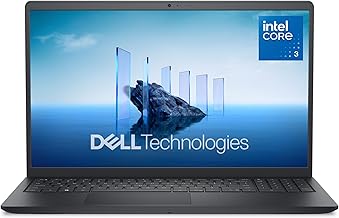
Dell 15.6 Laptop, FHD, Intel Core 3 100U, 8 GB RAM, Windows 11 Home | Anti-Glare IPS WVA, 250 nits, Intel UHD Graphics, DDR4, 512GB SSD, Wi‑Fi 6 & Bluetooth, DC15250
Editor's Pick
Our top-three picks Rating
Best for
Most buyers comparing the category
Key feature
Balanced overall feature set
#2

HP OmniBook 3 17.3 inch Laptop PC, FHD Display, AMD Ryzen 3 30, 8 GB RAM, 512 GB SSD, AMD Radeon 610M Graphics, Windows 11 Home, Mica Silver, 17-dp0199nr
Strong Choice
Our top-three picks Rating
Best for
Value-focused buyers
Key feature
Strong value for the intended use
#3

ASUS ROG Strix G16 (2025) Gaming Laptop, 16” FHD+ 16:10 165Hz/3ms, NVIDIA® GeForce RTX™ 5060, Intel® Core™ i7 Processor 14650HX, 16GB DDR5, 1TB Gen 4 SSD, Wi-Fi 7, Windows 11 Home, G615JMR-AS74
Featured Pick
Our top-three picks Rating
Best for
Buyers who want stronger features
Key feature
Higher-spec or more capable configuration
This page compares 5 product options, focused on real buying decisions:
- Use-case and fit, including who the product is for, where it will be used, size or fit, portability where relevant, and expected frequency of use
- Performance and compatibility, including the category-specific specifications, dimensions, capacity, connectivity or power needs, included accessories, and setup that affect real use
- Ownership risk, including maintenance, recurring costs, replacement parts, subscriptions where relevant, warranty/support, returns, and long-term value
For laptop reviews that go beyond “fast” or “light,” we connect these picks to practical spec and setup guidance (including monitors, webcams, and tablets). That way, you can validate your whole workflow before buying.
Best Laptops 2027: Top 5 Picks Compared
| Image | Product | Best for | Key feature | View on Amazon |
|---|---|---|---|---|
| Dell 15.6 Laptop, FHD, Intel Core 3 100U, 8 GB RAM, Windows 11 Home | Anti-Glare IPS WVA, 250 nits, Intel UHD Graphics, DDR4, 512GB SSD, Wi‑Fi 6 & Bluetooth, DC15250Dell 15.6 Laptop, FHD, Intel Core 3 100U, 8 GB RAM, Windows 11 Home | Anti-Glare IPS WVA, 250 nits, Intel UHD Graphics, DDR4, 512GB SSD, Wi‑Fi 6 & Bluetooth, DC15250 | Most buyers comparing the category | Balanced overall feature set | View on Amazon |
| HP OmniBook 3 17.3 inch Laptop PC, FHD Display, AMD Ryzen 3 30, 8 GB RAM, 512 GB SSD, AMD Radeon 610M Graphics, Windows 11 Home, Mica Silver, 17-dp0199nrHP OmniBook 3 17.3 inch Laptop PC, FHD Display, AMD Ryzen 3 30, 8 GB RAM, 512 GB SSD, AMD Radeon 610M Graphics, Windows 11 Home, Mica Silver, 17-dp0199nr | Value-focused buyers | Strong value for the intended use | View on Amazon |
| ASUS ROG Strix G16 (2025) Gaming Laptop, 16” FHD+ 16:10 165Hz/3ms, NVIDIA® GeForce RTX™ 5060, Intel® Core™ i7 Processor 14650HX, 16GB DDR5, 1TB Gen 4 SSD, Wi-Fi 7, Windows 11 Home, G615JMR-AS74ASUS ROG Strix G16 (2025) Gaming Laptop, 16” FHD+ 16:10 165Hz/3ms, NVIDIA® GeForce RTX™ 5060, Intel® Core™ i7 Processor 14650HX, 16GB DDR5, 1TB Gen 4 SSD, Wi-Fi 7, Windows 11 Home, G615JMR-AS74 | Buyers who want stronger features | Higher-spec or more capable configuration | View on Amazon |
 | Apple 2026 MacBook Neo 13-inch Laptop with A18 Pro chip: Built for AI and Apple Intelligence, Liquid Retina Display, 8GB Unified Memory, 256GB SSD Storage, 1080p FaceTime HD Camera; BlushApple 2026 MacBook Neo 13-inch Laptop with A18 Pro chip: Built for AI and Apple Intelligence, Liquid Retina Display, 8GB Unified Memory, 256GB SSD Storage, 1080p FaceTime HD Camera; Blush | A more specific use case | Useful fit for a narrower use case | View on Amazon |
 | Lenovo Essential 15.6" FHD Everyday Laptop, Intel Processor, 128GB Storage | Long Battery Life, Anti-Glare Display, Office 365, Copilot AI, WiFi 6, Bluetooth 5.2, USB-C, Win 11Lenovo Essential 15.6" FHD Everyday Laptop, Intel Processor, 128GB Storage | Long Battery Life, Anti-Glare Display, Office 365, Copilot AI, WiFi 6, Bluetooth 5.2, USB-C, Win 11 | Buyers comparing another solid option | Alternative feature and price balance | View on Amazon |
1) Dell 15.6 Laptop, FHD, Intel Core 3 100U, 8 GB RAM, Windows 11 Home | Anti-Glare IPS WVA, 250 nits, Intel UHD Graphics, DDR4, 512GB SSD, Wi‑Fi 6 & Bluetooth, DC15250 — Most buyers comparing the category
A smart “default” choice for most shoppers who want a straightforward Windows laptop for everyday work, school tasks, browsing, and streaming. You avoid paying for gaming-class hardware you won’t use.
Best for: Most buyers comparing the category
Key feature: Balanced overall feature set
Watch for: Confirm the screen brightness and panel type for your space (indoors vs. near windows). Also verify the ports you need (USB-C/HDMI/headphone) and upgradeability if you plan to keep it for years.
🧐 Quick verdict: Best overall baseline pick when you want a capable everyday laptop that’s easy to compare against the rest of the market.
| Pros ✅ | Cons ⚠️ |
|---|---|
| ✅ Balanced everyday performance for common home/school tasks | ⚠️ Not the right fit for demanding gaming or heavy creative workloads |
| ✅ Practical starting point for laptop comparison (screen, ports, storage, keyboard) | ⚠️ Screen brightness and color quality can vary by use case—verify before buying |
| ✅ Helps avoid overbuying for features you won’t use | ⚠️ Check RAM/storage configuration details and whether upgrades are possible |
Why it’s a top pick: For most buyers, the “top laptop” is the one that feels fast for everyday tasks, has enough storage for real life, and doesn’t create daily friction. A dim screen, missing ports, or awkward sizing can ruin an otherwise solid pick.
Decision bullets
- Use-case check: office apps, school platforms, web browsing, and streaming are very different needs than video editing or modern PC gaming.
- Display check: if you work in bright rooms, prioritize usable brightness and an anti-glare screen over “spec sheet” claims.
- Port check: confirm you can connect what you actually own (monitor, dock, USB devices, SD card, headphones) without buying adapters.
SelectRanker tip: If you plan to use an external display, cross-check your monitor plan with Best Monitor and the spec basics in Monitor Resolution Refresh Rate Guide.
2) HP OmniBook 3 17.3 inch Laptop PC, FHD Display, AMD Ryzen 3 30, 8 GB RAM, 512 GB SSD, AMD Radeon 610M Graphics, Windows 11 Home, Mica Silver, 17-dp0199nr — Value-focused buyers
A strong choice when your priority is a larger screen for reading, spreadsheets, and multitasking. It’s especially useful if you don’t want to rely on an external monitor.
Best for: Value-focused buyers
Key feature: Strong value for the intended use
Watch for: Big-screen laptops trade portability for comfort. Before you commit to 17.3″, verify the weight, charger size, and whether it fits your bag and desk setup.
🧐 Quick verdict: Best big-screen productivity pick when you want more screen real estate without adding a separate monitor.
| Pros ✅ | Cons ⚠️ |
|---|---|
| ✅ Larger display can reduce eye strain and improve multitasking | ⚠️ Less travel-friendly than 13–15″ laptops |
| ✅ Great for spreadsheets, school portals, and side-by-side windows | ⚠️ Bigger chassis can be awkward on small desks and lap use |
| ✅ Can replace the “need” for an external monitor for many buyers | ⚠️ Confirm ports for your peripherals and any external display you may still use |
Why it’s a top pick: Screen size changes how a laptop feels day to day. If you live in documents, email, or spreadsheets, the extra space can matter more than higher-end specs you won’t fully use.
Decision bullets
- Workspace check: measure your desk depth and consider whether you’ll use it on a couch/lap—17.3″ is comfortable but not compact.
- Performance check: for office and school, prioritize smooth multitasking (enough RAM) over peak graphics power.
- Portability check: if you commute daily, consider whether a 15.6″ plus a monitor at home is a better balance.
SelectRanker tip: If your real goal is a bigger workspace at home, compare this approach against a lighter laptop plus an external display via Best Monitor.
3) ASUS ROG Strix G16 (2025) Gaming Laptop, 16” FHD+ 16:10 165Hz/3ms, NVIDIA® GeForce RTX™ 5060, Intel® Core™ i7 Processor 14650HX, 16GB DDR5, 1TB Gen 4 SSD, Wi-Fi 7, Windows 11 Home, G615JMR-AS74 — Buyers who want stronger features
The right pick for buyers who actually need gaming-class performance: modern games, high-refresh esports, GPU-accelerated creative apps, or heavy multitasking that benefits from stronger cooling and a dedicated graphics card.
Best for: Buyers who want stronger features
Key feature: Higher-spec or more capable configuration
Watch for: Gaming laptops can be louder and heavier, and battery life can drop fast under load. To avoid surprises, confirm the port selection for your monitor/headset and the cooling/vent clearance you’ll have on your desk.
🧐 Quick verdict: Best for gaming & performance when you want a high-refresh display and a GPU that can handle demanding workloads.
| Pros ✅ | Cons ⚠️ |
|---|---|
| ✅ Built for demanding games and performance-heavy tasks | ⚠️ Typically heavier with more fan noise than everyday laptops |
| ✅ High-refresh display is a real upgrade for fast motion and esports | ⚠️ Real-world battery life may be limited during gaming or creator workloads |
| ✅ Better suited to sustained performance than many thin-and-light models | ⚠️ Confirm thermals, port layout, and charger size for your setup |
Why it’s a top pick: In gaming and creator laptops, a few core pieces define the experience—GPU/CPU pairing, cooling, and display responsiveness. This configuration is built for the kind of sustained performance that makes those specs matter in real use.
Decision bullets
- Performance check: decide whether you’re buying for competitive FPS/high refresh, AAA visuals, or GPU-accelerated creator apps—those priorities can point to different settings and expectations.
- Display check: refresh rate and response time matter for motion clarity; resolution matters for sharpness and workload on the GPU.
- Setup check: plan for airflow, noise, and an external monitor if you want more screen space (see Best Monitor).
SelectRanker tip: If you’re pairing a gaming laptop with an external display, make sure the laptop’s output ports match your monitor plan and refresh-rate goals (see Monitor Resolution Refresh Rate Guide).
4) Apple 2026 MacBook Neo 13-inch Laptop with A18 Pro chip: Built for AI and Apple Intelligence, Liquid Retina Display, 8GB Unified Memory, 256GB SSD Storage, 1080p FaceTime HD Camera; Blush — A more specific use case
A premium compact option for buyers who want a smaller, travel-friendly laptop and prefer macOS. It’s a strong fit if your workflow already lives in Apple services or you value a high-quality display and camera for calls.
Best for: A more specific use case
Key feature: Useful fit for a narrower use case
Watch for: Confirm storage and memory are enough up front, since many premium compact laptops are not meant to be upgraded later. Next, verify any app or accessory compatibility you need for work or school.
🧐 Quick verdict: Best premium compact pick when portability and the Apple ecosystem matter as much as raw specs.
| Pros ✅ | Cons ⚠️ |
|---|---|
| ✅ Compact size is ideal for travel, commuting, and small desks | ⚠️ Storage/memory choices can be harder to change later—choose carefully |
| ✅ Strong fit for buyers invested in macOS and Apple services | ⚠️ Some Windows-only apps and peripherals may require workarounds |
| ✅ Great option when display and video-call experience are priorities | ⚠️ Port selection may require adapters/docks depending on your setup |
Why it’s a top pick: For many buyers, the “best laptop 2027” isn’t the biggest or fastest. Instead, it’s the one you’ll actually carry, open, and use daily without friction. Compact premium laptops win when portability, display quality, and ecosystem integration are the priorities.
Decision bullets
- Ecosystem check: make sure your critical apps, school/work tools, and accessories are supported on macOS.
- Storage check: if you keep lots of photos/videos or large project files, verify you won’t immediately need external storage.
- Port/dock check: plan for monitors and peripherals—many compact laptops work best with a USB-C hub or dock.
SelectRanker tip: If video calls are a big part of your week, use Webcam Resolution Frame Rate Guide to sanity-check what “good webcam” specs actually mean for meetings.
5) Lenovo Essential 15.6" FHD Everyday Laptop, Intel Processor, 128GB Storage | Long Battery Life, Anti-Glare Display, Office 365, Copilot AI, WiFi 6, Bluetooth 5.2, USB-C, Win 11 — Buyers comparing another solid option
A budget-friendly everyday laptop for basic tasks—email, web, documents, and light schoolwork—when you want Windows, modern wireless, and a simple setup. It’s a practical option if you don’t need extra performance.
Best for: Buyers comparing another solid option
Key feature: Alternative feature and price balance
Watch for: Confirm storage capacity is enough for your files and updates. If you install lots of apps or keep large photos/videos locally, you may want more storage than entry-level configurations.
🧐 Quick verdict: Best budget everyday pick when you want the basics covered and you’re realistic about performance needs.
| Pros ✅ | Cons ⚠️ |
|---|---|
| ✅ Good fit for light everyday computing on a tighter budget | ⚠️ Entry-level storage can fill up quickly—plan your file strategy |
| ✅ Simple choice for web, docs, and streaming | ⚠️ Not ideal for heavy multitasking, gaming, or creator workloads |
| ✅ Can be a smart “second laptop” or student starter option | ⚠️ Verify ports, screen quality, and whether upgrades are possible |
Why it’s a top pick: The best budget laptop isn’t the one with the longest feature list. In practice, it’s the one that handles your daily tasks without becoming frustrating a few months in because of cramped storage or sluggish multitasking.
Decision bullets
- Budget check: consider whether you’ll need to add storage (external drive or cloud) and whether that changes the true cost.
- Use-case check: if you regularly keep many browser tabs and apps open, prioritize RAM and a responsive SSD over cosmetic extras.
- Longevity check: verify Windows version, update support expectations, and return terms—budget models should be easy to return if they don’t match your needs.
SelectRanker tip: If your workflow is mostly reading, note-taking, and streaming, compare a laptop against a tablet option in Best Tablet—sometimes that’s the better value.
How we evaluate best laptop options
The SelectRanker scoring lens
To rank laptops in a way that helps real buyers, we focus on what changes daily use and long-term ownership. Instead of chasing spec-sheet bragging rights, we look at:
- Use-case match, including who the product is for, frequency of use, environment, size or fit, and the performance level the buyer actually needs
- Useful specifications, focusing on the category-specific measurements that affect capacity, speed, image or sound quality, runtime, comfort, fit, range, accuracy, or other real performance
- Compatibility and setup, including dimensions, user or space fit, device ecosystem, connectivity, power or charging needs, accessories, clearances, and installation requirements
- Usability and ownership, including portability, controls, adjustment, ergonomics, storage, noise, cleanup, software where relevant, and how easily the product fits everyday use
- Ownership risk, including maintenance, recurring costs, subscriptions, replacement parts, warranty/support, returns, and long-term value
Before you buy: best laptop
Skip or slow down if these apply
Don’t buy this if…
- You have not defined the exact use case (school, office, travel, gaming, creator apps) and the non-negotiables (screen size, OS, ports).
- You are choosing only by one headline spec (CPU name, “AI,” refresh rate) without checking the full configuration (RAM, storage, screen, cooling).
- You have not checked dimensions, weight, charger size, and whether it fits your bag/desk setup.
- The listing does not clearly state what’s included (charger, OS edition), the return window, or warranty/support details.
- You haven’t confirmed your must-have apps/peripherals will work (especially when switching between Windows and macOS).
Good signs you are ready to buy
Buy this if…
- You know your real workload and where you’ll use the laptop most (desk, couch, commute, travel).
- You’ve decided on screen size and OS first, then narrowed down CPU/RAM/storage based on that.
- You checked ports, charging, monitor support, and webcam needs for your setup.
- You want a short, buyer-focused shortlist instead of scrolling through endless laptop 2027 listings.
Buyer’s guide to best laptop
Start with the buyer and real use case
Your “best laptop” is the one that matches your daily routine. A commuter needs portability and battery, while a home office user may care more about ports and screen comfort. For gaming, prioritize cooling and GPU power; for school, price and durability often matter most.
Performance and features: compare what actually matters
For laptops, the specs that change the experience tend to be RAM, storage type/capacity, display quality, and sustained performance (cooling). The CPU label alone rarely tells the full story. Use a spec checklist before you compare “deals.”
- Performance: match the CPU/GPU class to what you run (office vs gaming vs creator apps).
- Memory and storage: enough RAM for multitasking and enough SSD space for files, apps, and updates.
- Display: size, brightness, and refresh rate (for gaming) can matter more than raw resolution.
- Ports and wireless: confirm you can connect your monitor, storage, and accessories without a pile of adapters.
Compatibility, size, setup, and ecosystem
Before ordering, verify the details that cause most returns: keyboard layout, weight, charger type, port selection, external display support, and whether your must-have apps and peripherals are compatible with the operating system.
To avoid spec confusion, use Laptop Specs Guide as a quick translation guide for what matters (and what doesn’t) in listings.
Build quality, usability, and included accessories
Small usability details can matter more than a minor spec bump. Pay attention to trackpad quality, hinge stability, fan noise, speaker quality, webcam quality, and whether the laptop has the right ports for your daily routine.
Maintenance, recurring costs, parts, and ownership
Ownership costs for laptops usually come from adapters/docks, external storage, and repairs after the return window. When you buy budget, pay extra attention to storage capacity, upgrade options, and return terms.
Warranty, returns, support, and long-term value
Laptops are high-touch devices: you’ll use the keyboard, screen, and ports every day. For that reason, verify the return policy, warranty coverage, and support path before you buy—especially for premium models or big-screen laptops that can be inconvenient to ship back.
Decision table: buyer concern → what it means → what to check
| Concern | Likely cause | What to check before buying |
|---|---|---|
| The laptop feels slow after a few weeks | Too little RAM, cramped storage, or an entry-level CPU for a heavy workflow | RAM amount, SSD capacity/type, and whether your apps match the laptop’s performance class |
| The screen is hard to use in daylight | Brightness is too low or glare is too high for your environment | Brightness (nits) when listed, anti-glare vs glossy, and your typical lighting conditions |
| It doesn’t connect to my setup cleanly | Missing ports, wrong video output, or dock/adapter requirements | USB-C/USB-A/HDMI, monitor support, charging method, and whether you need a hub |
| Battery life is disappointing | High-performance hardware, high refresh rate, bright screen, or heavy workloads | Your real usage pattern, power settings, and whether you’ll be plugged in most of the time |
| It’s uncomfortable to carry or use on the go | Screen size/weight tradeoff wasn’t considered | Weight, dimensions, charger size, and whether it fits your bag and typical seating |
| Gaming performance isn’t what I expected | GPU class, power limits, or unrealistic settings expectations | GPU model, cooling design expectations, and target games/settings/refresh rate |
| I ran out of storage quickly | Small SSD + large updates/files/apps | SSD capacity, external storage plan, and whether upgrades are possible |
Use the related SelectRanker guides below for deeper laptop sizing, specs, and setup questions. This is especially helpful if you’re adding a monitor or upgrading your webcam setup.
Common mistakes and quick wins
Quick wins before you buy
- Pick the screen size first. 13–14″ is travel-friendly, 15.6″ is the mainstream balance, and 17.3″ is best when you want a built-in “big workspace.”
- Decide if you’re a dock person. If you use a monitor, keyboard, mouse, and webcam at a desk, plan for a USB-C hub/dock and verify ports.
- Read the 1-star reviews for patterns. Look for repeated complaints about screen quality, keyboard/trackpad issues, overheating/fan noise, Wi‑Fi stability, or return/support problems.
- Use a spec checklist. RAM + SSD capacity + ports usually matter more than minor CPU naming differences—see Laptop Specs Guide.
Common mistakes
- Buying the cheapest option and then spending extra on adapters, storage, and fixes that erase the savings.
- Overbuying a gaming laptop for basic tasks and ending up with extra weight, noise, and cost.
- Choosing a big-screen laptop without considering desk space, lap use, and portability.
- Ignoring ports and external display support until after the laptop arrives.
- Assuming you can “upgrade later” without checking whether the RAM/SSD are upgradeable on that exact model.
For deeper context, continue with the related SelectRanker guides covering specs, monitors, webcams, and closely related product comparisons for this topic.
Related SelectRanker guides
- Explore the broader SelectRanker category guide for this product type: Tech hub and Computers Displays hub.
- Compare a closely related device category if you’re not sure a laptop is the best fit: Best Tablet.
- Dial in your laptop comparison with a practical spec checklist: Laptop Specs Guide.
- Planning a desk setup? Start here: Best Monitor and Monitor Resolution Refresh Rate Guide.
- If video calls matter, use: Webcam Resolution Frame Rate Guide.
FAQs
1) What should I prioritize when choosing the best laptop?
Prioritize (1) your use case, (2) screen size and portability, (3) RAM and SSD storage for smooth daily use, and (4) ports for your real setup. After that, use return/warranty terms and repeated reliability complaints as your final filter.
2) How do I choose the right laptop size and performance level?
Pick screen size based on where you’ll use it most: 13–14″ for travel, 15.6″ for balance, and 17.3″ for maximum built-in workspace. For performance, buy enough for your hardest weekly task, but skip gaming/creator hardware if you won’t use it.
3) Which laptop specifications matter most for everyday use?
For most shoppers, the biggest difference-makers are RAM, SSD capacity, display brightness/quality, and port selection. Gamers should also prioritize the GPU and display refresh rate. If you want a quick translation of listing terms, use Laptop Specs Guide.
4) What compatibility checks should I make before buying a laptop?
Check dimensions/weight, charger type, ports (USB-C/USB-A/HDMI/audio), external monitor support, and OS compatibility with your required apps. When you’re building a desk setup, confirm your monitor and cable plan with Monitor Resolution Refresh Rate Guide.
5) When is a premium laptop worth paying more for?
Paying more can make sense if you’ll benefit from better portability, display quality, build quality, quieter operation, stronger sustained performance, or a preferred ecosystem. If your use is mostly web/docs/streaming, a well-chosen midrange or budget model can be the smarter long-term value.
6) Is it safe to buy a laptop online?
It can be, as long as the listing clearly states the exact configuration (RAM/storage/screen), what’s included, and the return policy. Because laptops are often returned due to screen quality, keyboard feel, or missing ports, verify those details before you order.
7) What features matter most for gaming, school, and remote work?
For school and everyday use, focus on screen comfort (size/brightness), RAM, SSD storage, ports, and realistic battery expectations. For gaming, prioritize GPU, cooling, and a high-refresh display. For remote work, add webcam/mic quality and port flexibility for a docked setup (see Webcam Resolution Frame Rate Guide).
8) What should I double-check before placing a laptop order?
Verify the exact configuration, screen size/brightness expectations, RAM and SSD capacity, ports you need, OS/app compatibility, charger type, and return/warranty terms. Then scan negative reviews for repeat issues like overheating, Wi‑Fi drops, or poor screen quality.
Final verdict on best laptop
If you want the safest first choice, start with Pick #1 because it gives you the cleanest baseline for use-case fit, useful features, compatibility, setup, and ownership risk.
Choose Pick #2 when its focused advantage solves your main constraint better than the overall pick (a bigger built-in workspace).
Choose Pick #3 when a more specialized performance profile matches your needs (gaming and demanding workloads).
Choose Pick #4 when compact portability and the Apple ecosystem are the better fit for your setup.
Choose Pick #5 when value, simplicity, or a narrower everyday use case matters more than premium extras.
For more context, continue with the related SelectRanker category hub and guides listed above.